"There are a lot more issues with mental health. People aren't used to the potency of the drug. A lot of them come to us with psychosis. Fuelled by a changing market in high-potency cocaine and uncertainty around the make-up of illicit drugs, cocaine-related deaths in the region have spiked in the past few years."
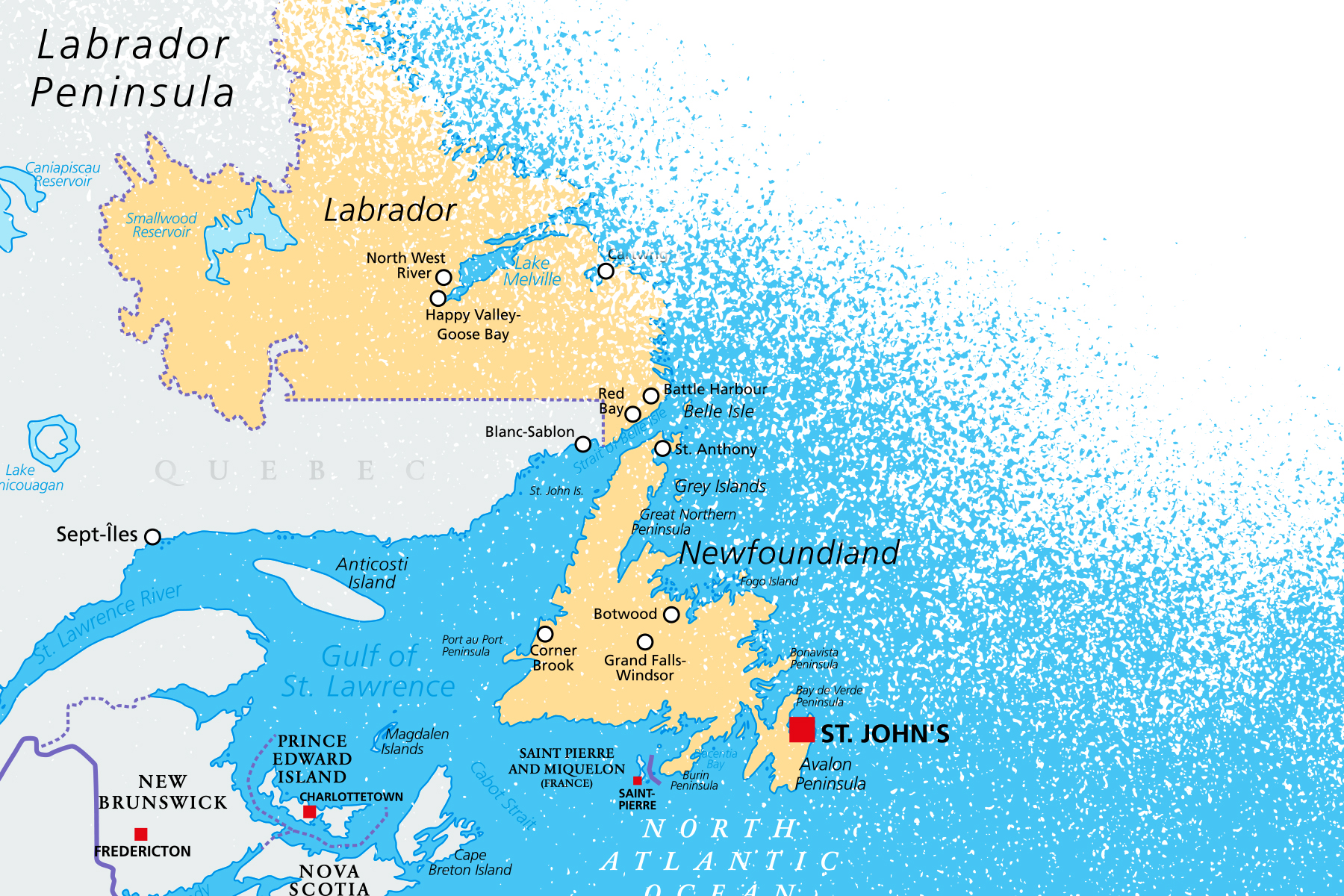
"While Canada has been caught in the grips of a well-documented and much-publicized opioid toxicity crisis for some time, the harms caused by cocaine and other stimulants have increased mostly under the radar. Recent data suggests that Atlantic Canadians-especially in Newfoundland and Labrador-are being hit hard."
"It's perhaps no coincidence that the four Atlantic Canadian provinces also have among the highest rates of poverty in the country. Financial precarity is being compounded by a housing shortage that has pushed record numbers into living on the streets or in tent encampments springing up in communities across the region."
Jeff Bourne, a recovered cocaine addict, operates the U-Turn Drop-in Centre in Carbonear, Newfoundland, supporting thousands struggling with addiction. The centre's staff of five all have lived experience with substance use. Cocaine is now the world's fastest-growing illicit drug market, with Atlantic Canada experiencing particularly severe impacts. Deaths related to stimulants are surging across the country, with Newfoundland and Labrador hit especially hard. The increased potency of cocaine and uncertainty about drug composition are driving these deaths. Users increasingly present with psychosis and mental health complications. Atlantic Canada's high poverty rates and severe housing shortages, including growing tent encampments, compound the crisis. Front-line workers recognize that addressing social determinants of health is essential for effective harm reduction.
Read at The Walrus
Unable to calculate read time
Collection
[
|
...
]