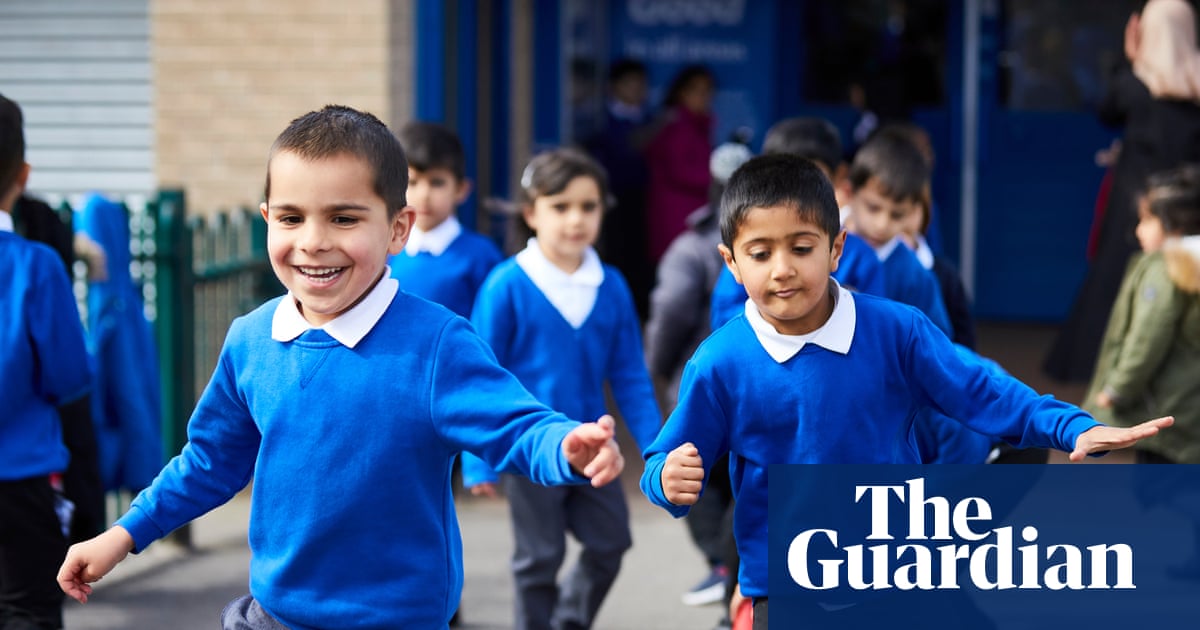
3.6 million children averaged more than 60 minutes of sport and physical activity per day in 2024-25, representing 49.1% of five- to 16-year-olds, up 1.3% on the previous year and 5.8% since 2017. Over half a million more children now meet the chief medical officers' guidelines. National programmes delivered by schools, clubs, community organisations and local providers contributed to increased participation. The survey questioned more than 100,000 children. Persistent inequalities remain: boys more active than girls, white and mixed children more active than Asian, black or other minorities, and children from richer households more active (58% vs 45%). Activity varies by age.
"That is real progress and something the sport and physical activity sector can be proud of, especially after the huge disruption of the pandemic. He added: But the report also makes clear how much more we must do. It cannot be right that fewer than half of children are moving as much as recommended, and that stark inequalities mean too many among the poorest in our society miss out. We need a renewed national effort to change this."
"Boys are still more active than girls, though the gap has narrowed slightly (from 6.4% to 5.9%), and is widest among teenagers. White and mixed children are more likely than Asian, black or other ethnic minority children to be active, and children from richer households are more likely to be active than poorer children (58% compared with 45%). Children between seven and nine are the least active (42%), while five- to seven-year-olds and 11- to 13-year-olds are the most (53%) active."
Read at www.theguardian.com
Unable to calculate read time
Collection
[
|
...
]