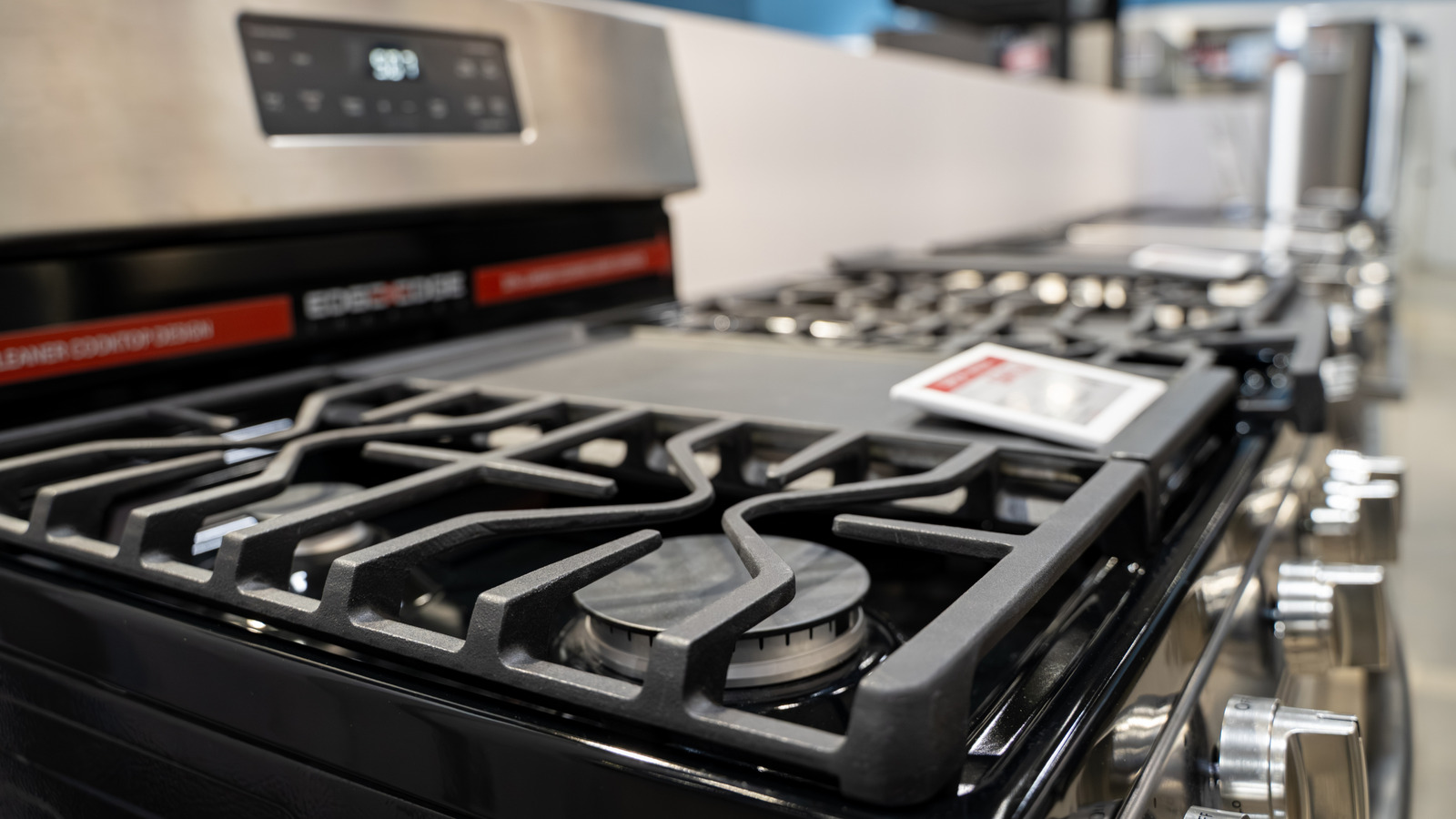
"For decades, gas stoves were the default choice for anyone who took home cooking seriously, mostly because they offered superior responsiveness and temperature control compared to electric. It was like this for so long that it was never really considered a serious debate. But all conventional thinking seems timeless until it suddenly isn't. Now, health concerns are raising questions about the true cost of gas, while technological improvements in top electric ranges have suddenly made them a lot more competitive."
"Induction is a form of electric heating that uses a magnetic field to heat cookware directly, rather than indirectly, like gas or traditional electric coil stoves. This offers several advantages and, for many cooks, helps solve some of the biggest weaknesses electric stoves have compared to gas. While electric coils can take time to both rise and drop in temperature, induction is extremely responsive and precise, even more so than gas. It also has superior power, offering a higher range of temperatures."
"In fact, it can bring a pot of water to a boil almost twice as fast as a high-powered gas stove. And it does all this while offering the same easier-to-clean surface as flattop electric ranges. Induction rangers show better performance and energy efficiency"
"Induction does have its downsides, but they are minor. They lack the visual clues of gas stovetops, and there is a learning curve associated with using them. Most importantly, induction is not compatible with some types of cookware, including ceramics, and some aluminum and copper pans. They also have a higher upfront cost on average than current gas range"
Gas ranges were long considered superior due to responsiveness and temperature control. In 2026, health concerns about gas and rapid improvements in electric cooking are prompting reevaluation. Induction cooktops and ranges use a magnetic field to heat cookware directly, unlike gas and traditional electric coils. Induction responds quickly and maintains precise temperature control, with higher power and faster boiling, bringing water to a boil nearly twice as fast as a high-powered gas stove. Induction also provides an easier-to-clean flat surface similar to other flattop electric ranges. Downsides include fewer visual cues, a learning curve, incompatibility with some cookware types, and higher upfront costs than current gas ranges.
#induction-cooking #gas-vs-electric-stoves #kitchen-appliances #energy-efficiency #cookware-compatibility
Read at Tasting Table
Unable to calculate read time
Collection
[
|
...
]