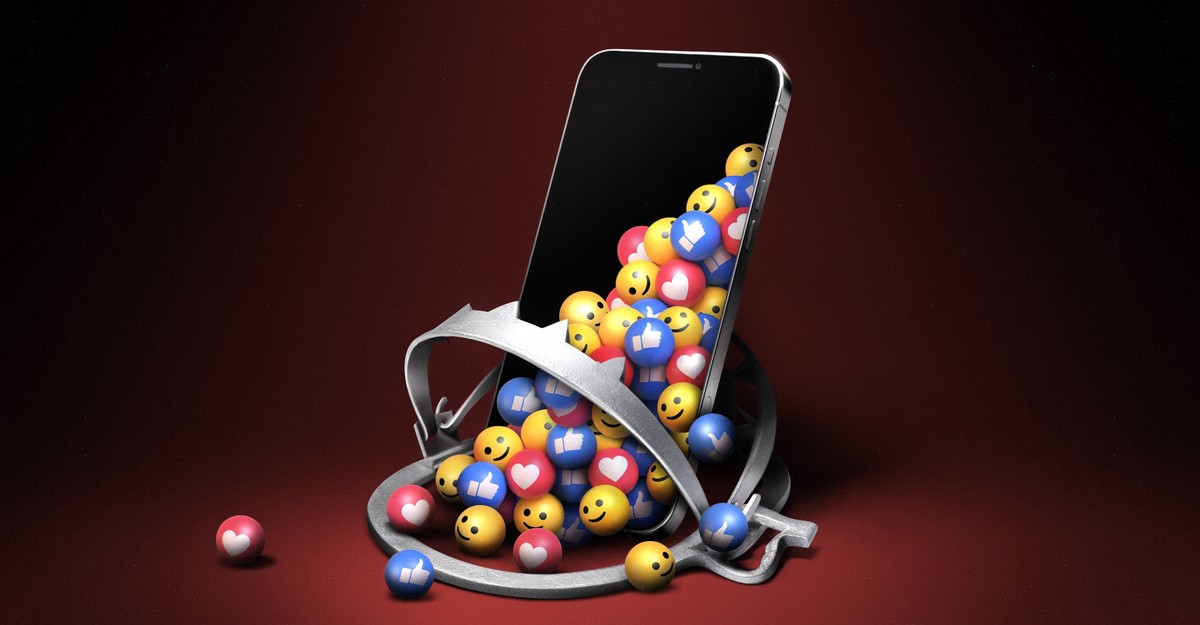
"Australia recently decided to try something ambitious. Starting late last year, all children under 16 have been banned from having accounts on social-media sites such as TikTok, YouTube, and Instagram. Because no country has attempted such a ban before, knowing the effects in advance is impossible-and they may be hard to assess even years after implementation. That said, the long experience of governments trying to restrict young people's access to temptation goods of other kinds-drugs, alcohol, cigarettes, pornography-justifies cautious optimism."
"The second mistake is to think that all prohibitions look like the much-maligned War on Drugs, which many view as responsible for exacerbating incarceration, poverty, and violence. A social-media ban is not like the War on Drugs. Governments ban all sorts of goods and services for youth, adults, or both, and most prohibitions do not create other devastating social problems. Violations of the Australian ban would lead to fines on corporations, not kids being sent to detention centers."
Australia has banned children under 16 from having accounts on social-media platforms such as TikTok, YouTube, and Instagram beginning late last year. The effects of the ban are uncertain and may be difficult to assess for years. Historical experience with prohibiting access to temptation goods—drugs, alcohol, cigarettes, pornography—suggests cautious optimism about beneficial outcomes. Potential benefits include reducing permanent digital harms from youthful mistakes and giving young people more time to develop in-person social skills and meaningful connections. Skeptical objections include circumvention by tech-savvy teens, but imperfect compliance does not nullify regulatory value. Violations would be punished by fines on companies, not detention of children.
Read at The Atlantic
Unable to calculate read time
Collection
[
|
...
]