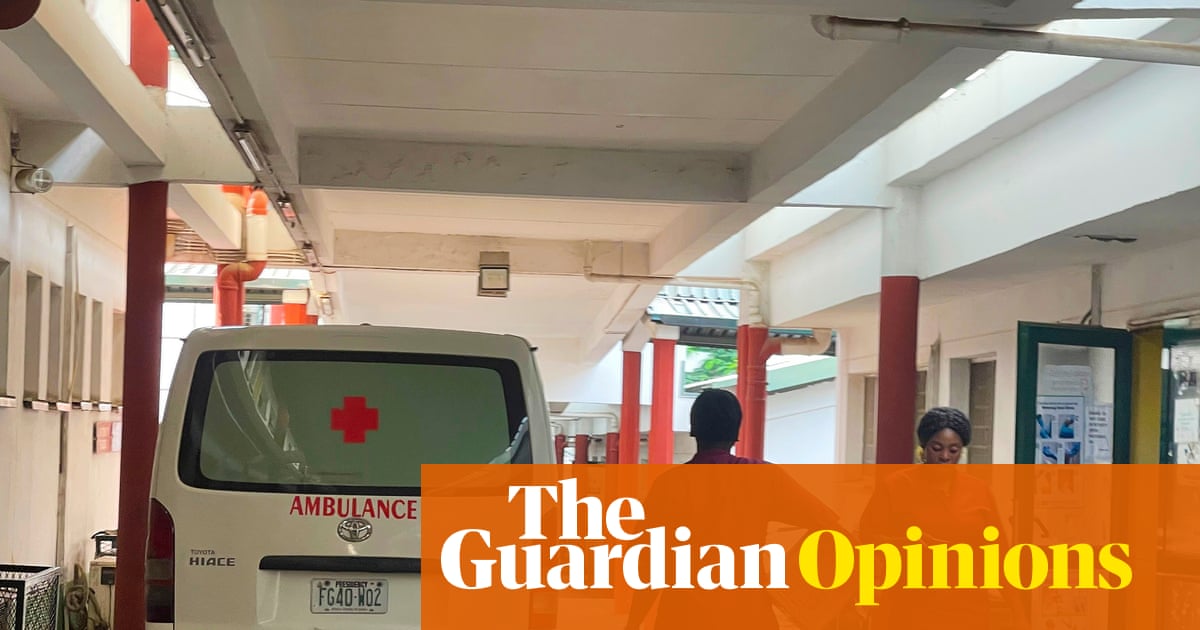
"The death from a snakebite of singer Ifunanya Nwangene in an Abuja hospital last Saturday, allegedly after a frantic and failed search for antivenom, sent a familiar shudder through Nigeria. It was a profoundly personal tragedy, yet it felt grimly systemic. Within days, it became part of a devastating triad of events framing a national crisis. A few weeks before, the country had grappled with the death of novelist Chimamanda Ngozi Adichie's young son in a premium private hospital in Lagos, amid allegations of negligence."
"A cobra in an upmarket apartment, a fatal error in a high-end facility, a wrecked car on the roadside. These seem like disconnected misfortunes: in truth, they are interconnected. They represent a diagnostic map of a health system in collapse, a system where survival is determined by a lethal lottery of geography, wealth, and sheer chance. To view these events as isolated is to misunderstand the depth of the failure. They are not accidents; they are predictable outcomes."
"It rated Nigeria's health system as dangerously unprepared nationally, with not a single state achieving even 30% readiness for a health crisis. The snakebite incident is a classic failure of supply chain and stock management. The inability of a leading federal hospital in the country's capital to have a complete stock of life-saving antivenom is not an anomaly. It is the standard in a system in which critical drug shortages are chronic, procurement is broken, and storage is undermined by unreliable electricity."
A singer died in an Abuja hospital after a frantic, failed search for antivenom following a snakebite. Other recent incidents include the death of a novelist's young son in a Lagos private hospital amid negligence allegations and a serious car crash with no ambulance response. These events are interconnected indicators of a collapsing health system where survival depends on geography, wealth, and chance. The 2025 SBM Intelligence Health Preparedness Index rated national readiness as dangerously low, with no state reaching 30% preparedness. Chronic drug shortages, broken procurement, unreliable storage, and weak emergency services drive predictable, avoidable fatalities.
#health-system-collapse #antivenom-shortages #supply-chain-failures #emergency-care #health-preparedness-index
Read at www.theguardian.com
Unable to calculate read time
Collection
[
|
...
]