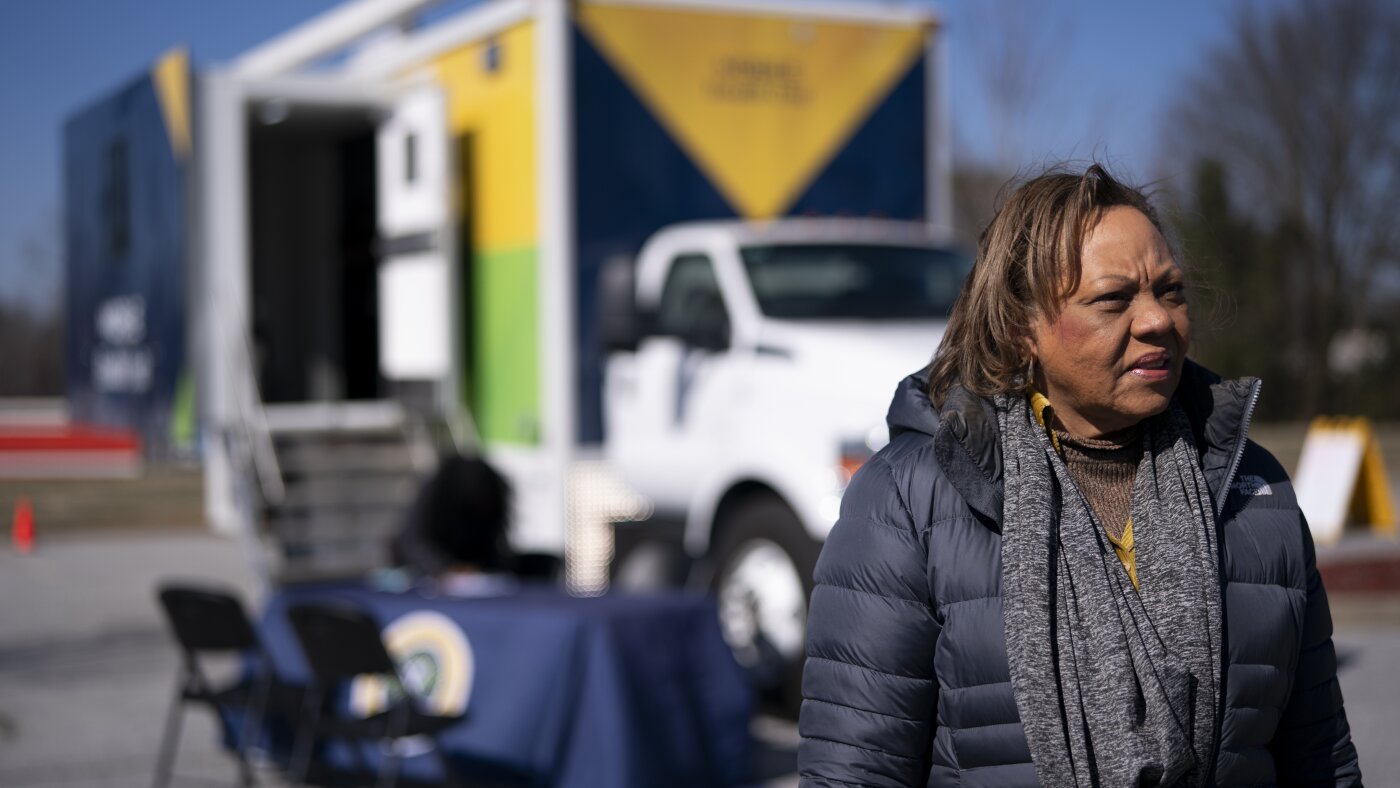
"We're absolutely flying blind," says Dr. Georges Benjamin, executive director of the American Public Health Association. "We're blind to a whole range of health risks that are entering our community or re-emerging in our community."
"They tell clinicians: Here's what you need to think about as you're screening patients, or diseases that you might not be expecting to see, walking through your emergency department. Clinicians need tools like that to say, 'Pay attention to this specific thing right now.'"
"It's our early-warning system," Benjamin says. "It's the weatherman of public health. It gives us enormous situational awareness."
The Centers for Disease Control and Prevention issued only six Health Alert Network (HAN) advisories in 2025, a marked drop from typical yearly counts. The reduction in HANs limits early-warning communication to clinicians, hospitals and health departments, increasing the risk of being blindsided by emerging or re-emerging health threats. HANs guide clinical screening, alert clinicians to unexpected diseases in emergency departments, prompt hospitals to stock appropriate medications and supplies, and prime public health agencies to watch for unusual disease clusters. Past HANs have warned about threats such as Ebola, bird flu and the coronavirus pandemic, providing crucial situational awareness and preparedness.
Read at www.npr.org
Unable to calculate read time
Collection
[
|
...
]