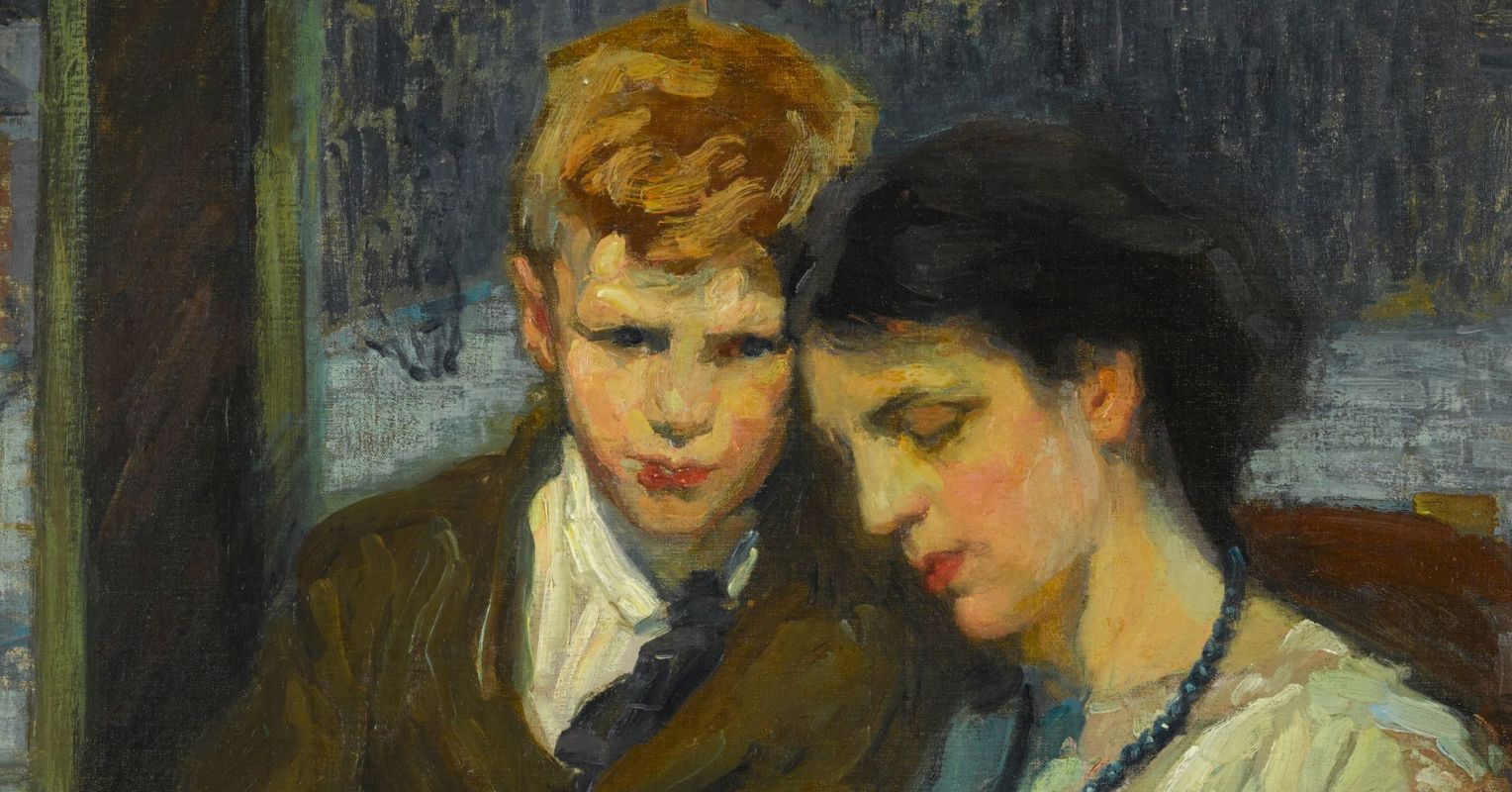
"The origin of the word "identity" comes from the Latin identitas and suggests "sameness with others," that is, our identity is both an individual self-concept and a collective one. Identity forms early in life and is fluid, evolving, and contextual. This is my hand, my foot, my voice, my dream, but I am also a we. I identify with an ethnicity, a gender or non-binary, a nationality, politics, class, occupation, and sexual identity."
"The dichotomy between who we feel ourselves to be and the façade we adopt heightens the possibility of emotional struggles and is an especially fraught experience for replacement children. Each acorn grows into a unique oak tree. Just so, every human has the potential to develop into a unique personality, an individual self with their own quirks, natural abilities, and talents."
Identity is both an individual self-concept and a collective belonging that forms early, remains fluid, and evolves across contexts. Beneath external identifications lies a true self that is vulnerable and can be hidden by a protective false self that conforms to expectations. Replacement children develop under the shadow of a deceased sibling, which can shape development, erode a sense of rootedness, and intensify struggles between authentic impulses and imposed roles. Major identity challenges for replacement children include guilt, inadequacy, and the compulsion to mirror the missing other. Creative self-expression can facilitate authenticity and healing by reclaiming individual life force.
Read at Psychology Today
Unable to calculate read time
Collection
[
|
...
]