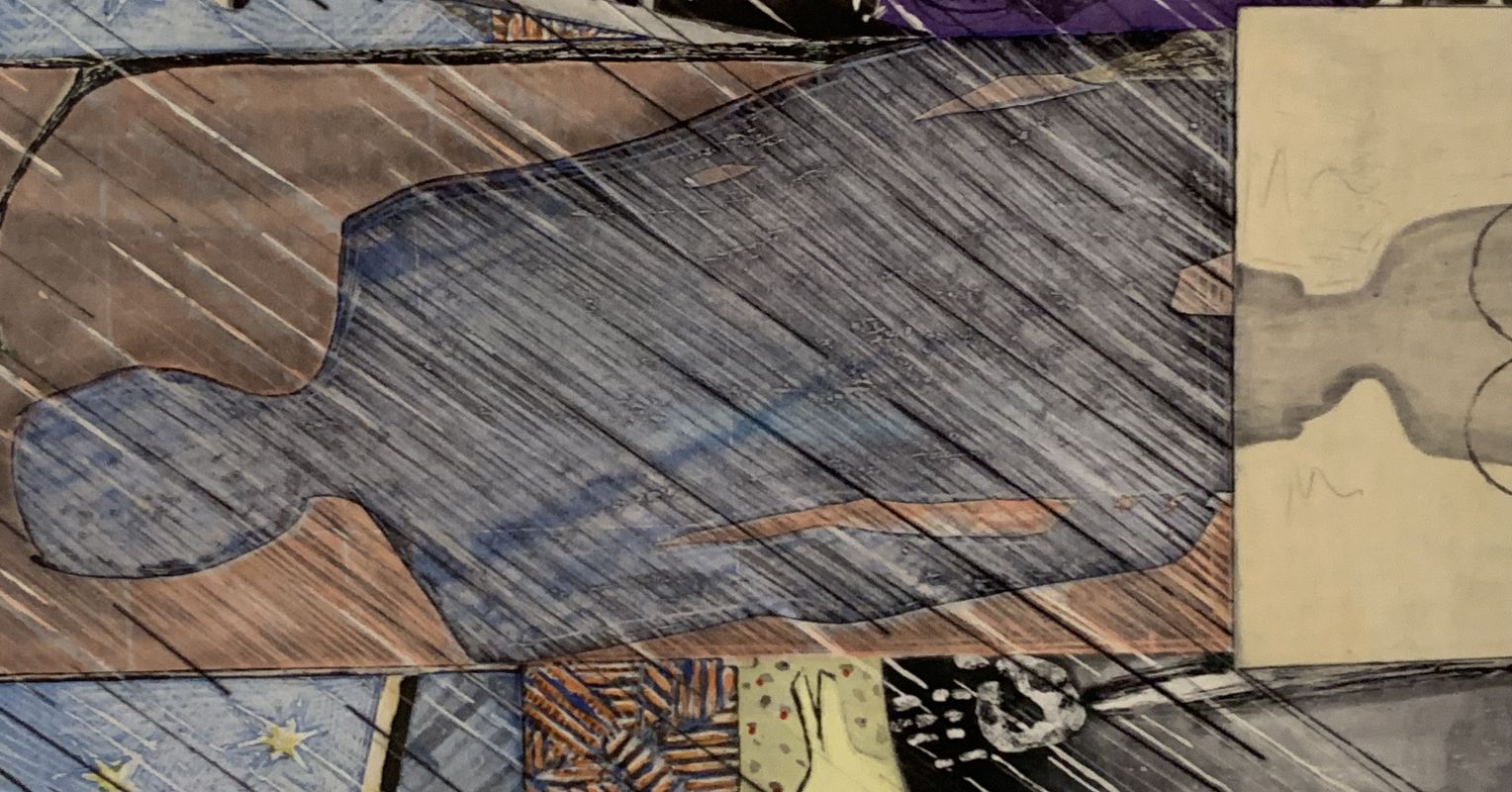
"These are people living within the phrase coined through analytical literature as 'half-alive'. They exist in a fog, often not realizing, unable to feel, or react. They acquire a false front and camouflage themselves, putting on a persona to deny their needs and dull the pain from self-abandonment. The dreams are populated by zombies and vampires, signaling the problems and internal disconnections."
"The losses in love, originating early in life and the betrayals in attachment, are sorely felt but often submerged. The results crawl into the unconscious, leaving them sad, offended, and confused. These people paradoxically assume the fault must be theirs, the guilt something they did, and they must control and perform to make it all better. However, it is impossible, and the disappointment translates into self-negation and attack. One cannot love oneself and cannot feel. The body goes numb."
"However, too often, the shadow part of the personality wishes not to know. In this way, it can be a deceiver, telling stories and falsehoods about us, representing self-doubt and misperceptions. These are acquired from the family and culture in which we are raised. We keep the internal problems compartmentalized, and they become strangers located in the shadows of the unconscious, blocking the gate to consciousness."
Unconscious self-deception manifests as denial, personas, and compartmentalized shadows that remove people from feeling and authentic living. Early attachment losses and betrayals become submerged and populate dreams with symbolic figures like zombies and vampires. The submerged pain leads to guilt, self-blame, and compulsive control and performance, resulting in self-negation, numbness, and inability to self-love. The shadow resists awareness, spinning false narratives learned from family and culture, and hides internal problems in unconscious compartments. These internal saboteurs distort reality, suppress truths, and reinforce self-hatred, blocking the path to fuller self-knowledge and healing.
Read at Psychology Today
Unable to calculate read time
Collection
[
|
...
]