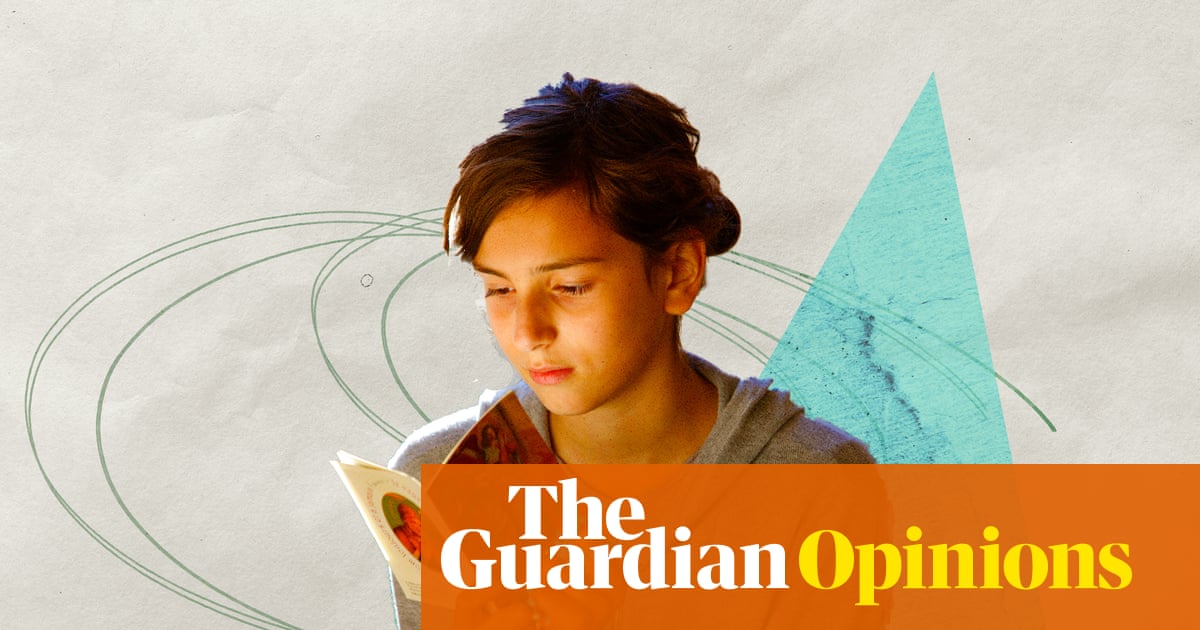
"Psychology researcher and professor Lisa Miller in her book The Spiritual Child explains that spirituality often increases in adolescence. The teenage brain has a larger gap between experiencing and interpreting than in adulthood. As a result, adolescents' feelings are strong, dramatic and oscillate more wildly than the playground swing you so recently used to push them on."
"According to James Fowler's theory of stages of faith, my daughter is entering the synthetic-conventional stage. This starts around the age of 12 or 13, and many adults remain in this stage for the rest of their lives. In this phase, exploring a spiritual dimension to life is inherently linked to a search for meaning, identity, purpose and connection."
"The next stage, which Fowler says can emerge in a person's late teens or thereafter, involves reflection, critical thinking and individualisation of a person's faith. Later, a middle-aged person might enter into the conjunctive faith stage, embracing mystery and diversity. The final possible stage, which Fowler notes is rare, is universalising faith, in which someone might have quietened the ego enough to devote their lives to the wellbeing of the group, across space and time."
Adolescents naturally develop stronger spiritual interests as their brains experience a larger gap between feeling and interpreting emotions, creating intense and fluctuating emotional experiences. Psychologist Lisa Miller's research shows spirituality increases during teenage years. James Fowler's faith development theory identifies the synthetic-conventional stage beginning around ages 12-13, where adolescents explore spirituality while seeking meaning, identity, purpose, and connection. This stage includes a strong social component, explaining participation in youth groups. Subsequent faith stages involve critical reflection and individualization in late teens, embracing mystery in middle age, and potentially reaching universalizing faith focused on collective wellbeing. Spiritual exploration represents a normal part of adolescent development.
#adolescent-spirituality #faith-development-stages #teenage-identity-formation #religious-development-psychology #meaning-seeking-in-adolescence
Read at www.theguardian.com
Unable to calculate read time
Collection
[
|
...
]