"Theory of mind is the cognitive and emotional skill that enables us to figure out what other people know, plan, and intend. Having a theory of mind allows you to recognize that other people have their own thoughts and emotions that are separate from yours. Developing a strong theory of mind capability lets you figure out and track what the other person is trying to do."
"It's why they have a hard time lying or playing hide and seek ( see "Teach Your Children to Lie"). They don't understand what others know, so playing games that involve deception is an impossible challenge. But even as adults, we can still be challenged to know and track what others are thinking and feeling (Bernstein et al., 2017)."
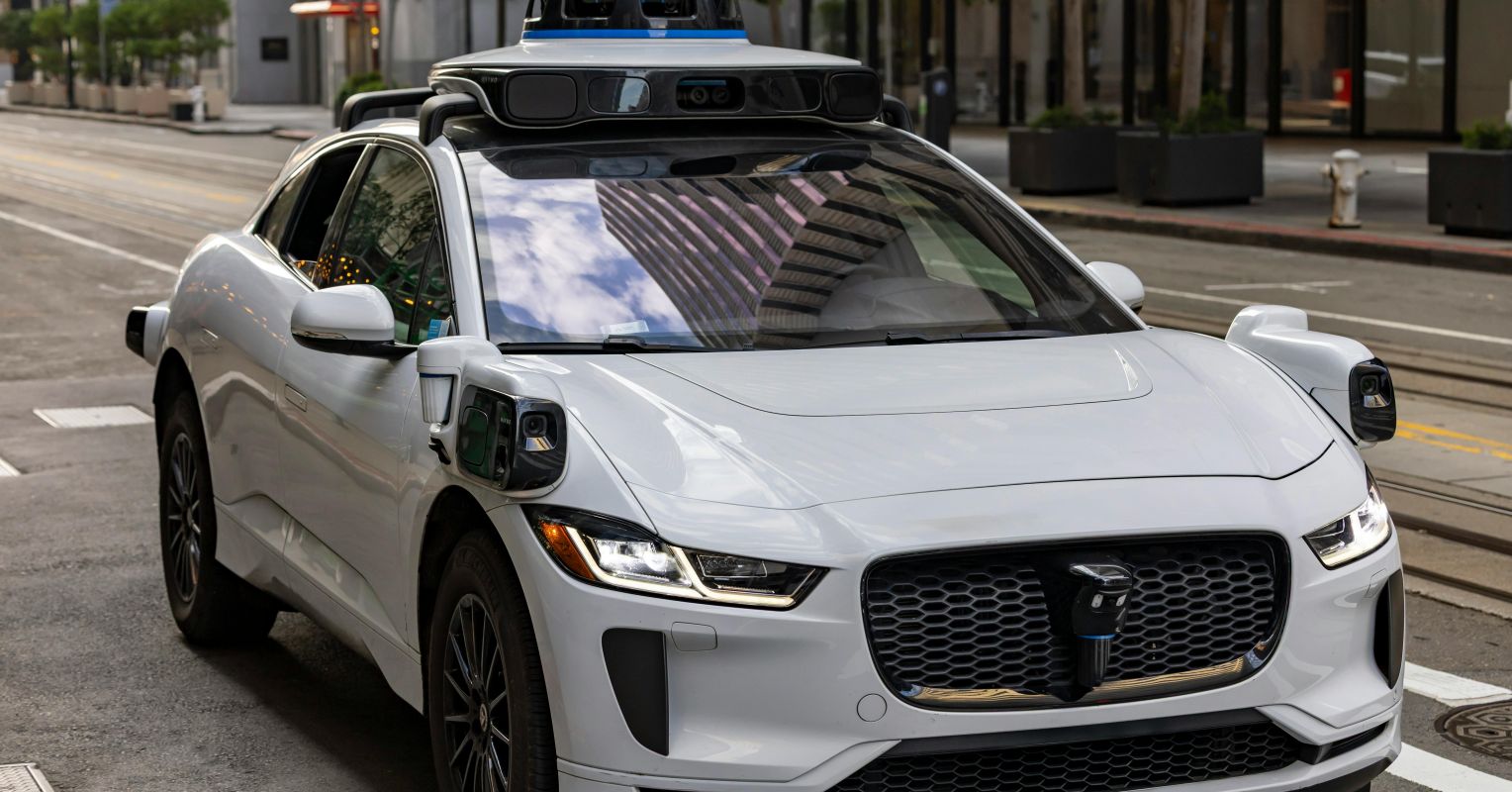
Driving in populated areas requires more than sensing static obstacles; it requires inferring the goals, plans, and intentions of other road users, including drivers, pedestrians, cyclists, and animals. Theory of mind is the cognitive and emotional capacity to represent what others know, plan, and intend, enabling prediction of their likely actions. Young children acquire theory-of-mind skills gradually, which limits their ability to deceive or anticipate others. Adults can still struggle to track others' mental states in communication and interaction. Stronger mindreading skills improve anticipation and response on the road. Autonomous vehicles currently lack robust theory-of-mind abilities and may require them to be safe in complex city streets.
Read at Psychology Today
Unable to calculate read time
Collection
[
|
...
]