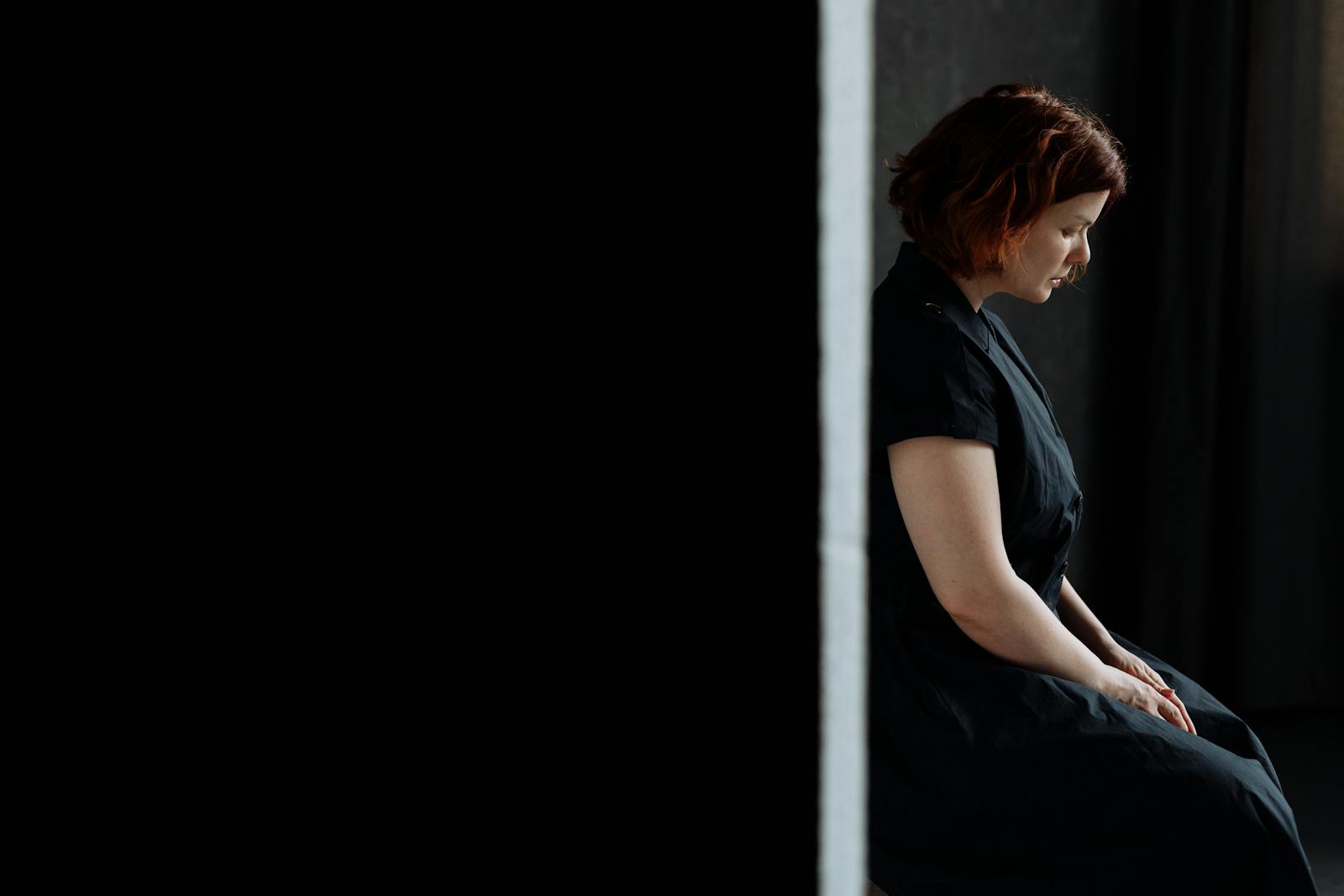
"Here's what happens when a child is repeatedly told their emotional responses are disproportionate: they develop an extraordinary perceptual system paired with a broken trust mechanism. The antenna gets sharper. The ability to act on the signal gets weaker."
"Psychologist Elaine Aron's research on sensory processing sensitivity has shown that roughly 15-20% of the population has a nervous system that processes stimuli more deeply. These individuals notice subtleties others miss, feel emotions more intensely, and are more affected by their environments. This is a neurological trait, present from birth."
"When a child says 'something feels wrong' and the adults around them respond with dismissal, correction, or irritation, that child learns a devastating lesson: your perception is accurate, but unacceptable. So they split themselves in two."
Approximately 15-20% of people possess sensory processing sensitivity, a neurological trait enabling them to notice subtle environmental cues and feel emotions intensely. When children with this trait express their perceptions and are dismissed as oversensitive or emotional, they develop a paradoxical condition: their perceptual abilities sharpen while their trust in those abilities deteriorates. This creates an internal split where one part continues scanning and noticing everything while another part suppresses and rationalizes away signals. The trait itself is neurologically neutral, but environmental responses transform it into a psychological wound. These individuals become highly attuned to social dynamics and emotional atmospheres, functioning like human weather stations in any environment.
#sensory-processing-sensitivity #childhood-emotional-invalidation #perceptual-accuracy-and-self-trust #psychological-trauma-and-perception
Read at Silicon Canals
Unable to calculate read time
Collection
[
|
...
]