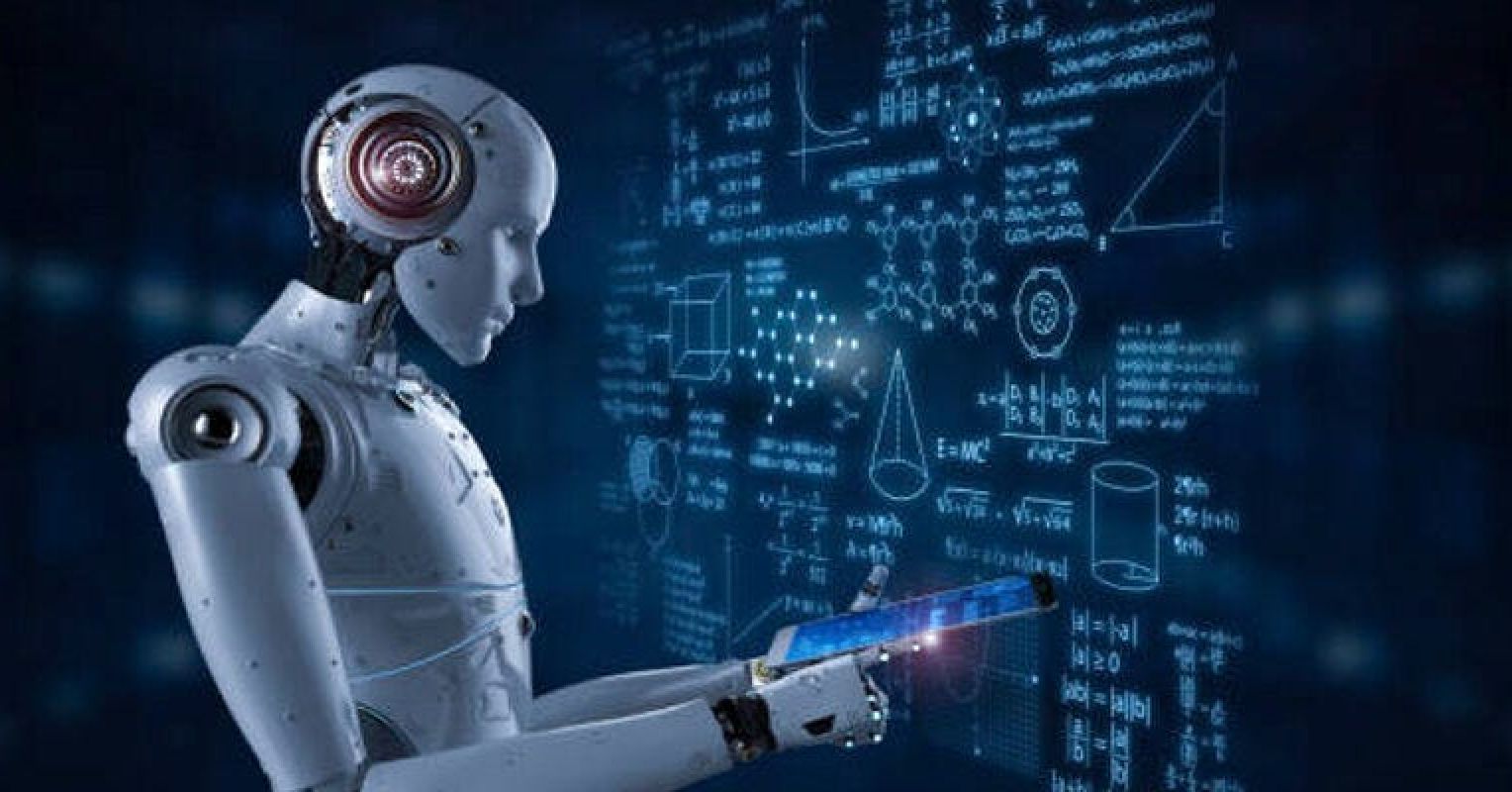
High-stakes decision-making is impaired by time pressure, limited information, confusion, fatigue, and mortality salience, increasing error risk and potentially catastrophic outcomes. The 1988 downing of Iran Air Flight 655 demonstrates how misidentification under tension led to 290 deaths. Two cognitive modes—fast, automatic System I and slower, deliberate System II—shape decisions in these contexts. Split-second judgments driven by System I can be lifesaving or deadly, while System II knowledge of doctrine and situation frames those intuitive responses. Artificial intelligence offers potential to accelerate and improve accuracy of life-or-death decisions but also poses substantial risks when deployed under extreme conditions.
"Time pressure, limited information, confusion, fatigue, and mortality salience combine to set the stage for decision-making errors, sometimes with grave consequences. An example is the downing of Iran Air Flight 655 by a missile launched by the USS Vincennes in 1988, resulting in the death of 290 passengers and crew. In a time of heightened tension between the U.S. and Iran, the captain of the Vincennes misidentified the airliner as an incoming hostile aircraft and ordered his crew to shoot it down."
"Decision-making under these conditions is based on two types of thinking elaborated on by Nobel Laureate Daniel Kahneman. Kahneman distinguishes between System I thinking (fast, automatic, and intuitive) and System II thinking (slower, conscious, and deliberate). The Vincennes incident illustrates an error in Type I thinking. Without the luxury of time, the captain had to make a split-second decision based on rapidly evolving information."
Read at Psychology Today
Unable to calculate read time
Collection
[
|
...
]