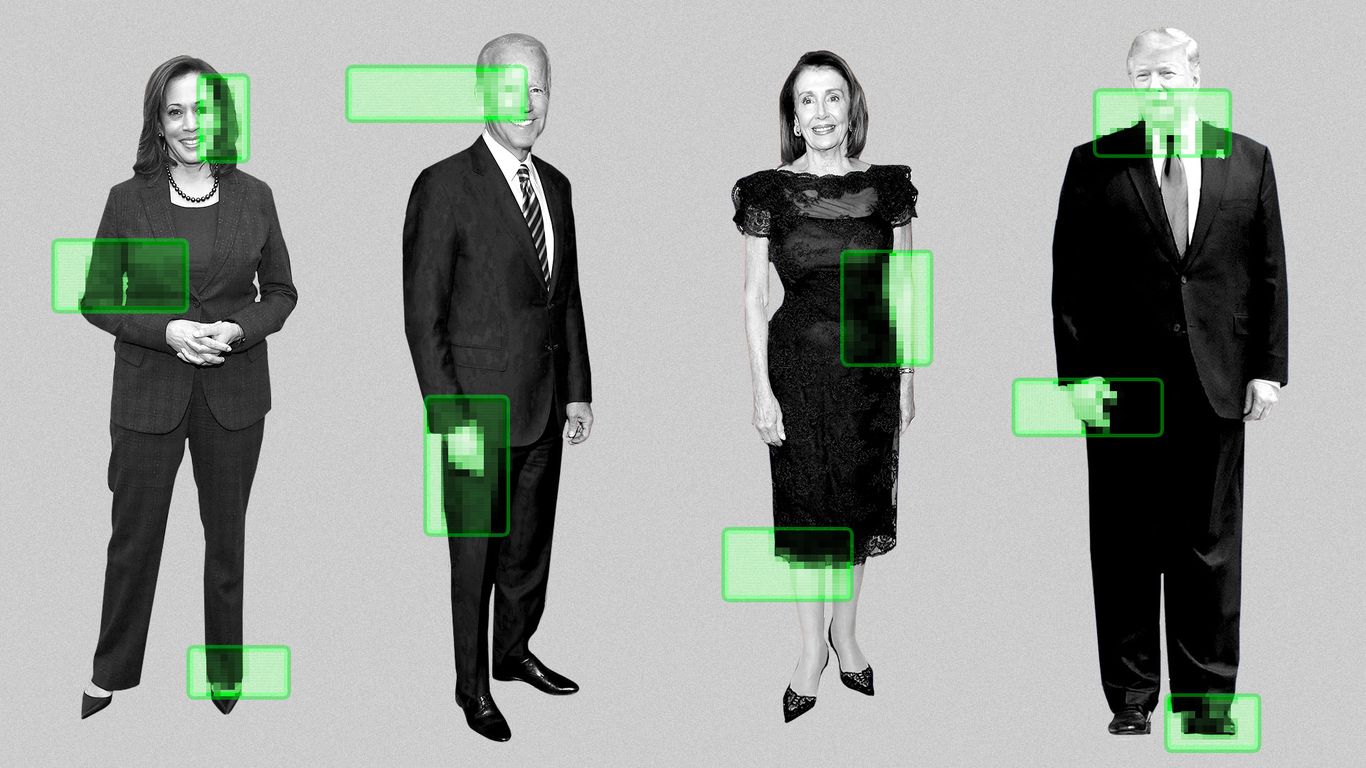
YouTube is expanding its likeness detection technology to protect government officials, political candidates, and journalists from AI-generated impersonation. The tool scans uploaded videos for facial likeness matches and allows flagged individuals to request removal through YouTube's privacy complaint process, though parody and satire remain permitted. Participants must verify identity with government ID and video selfie. YouTube CEO Neal Mohal identified AI transparency and protections as a 2026 priority, including content labeling and harmful synthetic media removal. The technology, developed since 2024 with Creative Artists Agency and tested by major creators, has generated relatively few removal requests, with most flagged content deemed benign. YouTube plans to explore voice impersonation detection and monetization options for likeness protection.
"This expansion is really about the integrity of the public conversation. We know that the risks of AI impersonation are particularly high for those in the civic space. YouTube's likeness detection technology scans videos uploaded to the platform for content that appears to use someone's likeness, namely their face."
"YouTube CEO Neal Mohan said one of his top 2026 priorities is AI transparency and protections, including labeling AI content and removing harmful synthetic media. YouTube started developing the likeness detection tool in 2024 with Creative Artists Agency and testing with top creators, including MrBeast and Marques Brownlee."
"Most of it turns out to be fairly benign or additive to their overall business. YouTube plans to expand access to any government official, political candidate and journalist. The likeness detection tool is focused on facial likeness, for now. But the company is also exploring voice impersonation."
#ai-impersonation-detection #facial-recognition-technology #synthetic-media-protection #government-and-political-safeguards #platform-policy-expansion
Read at Axios
Unable to calculate read time
Collection
[
|
...
]