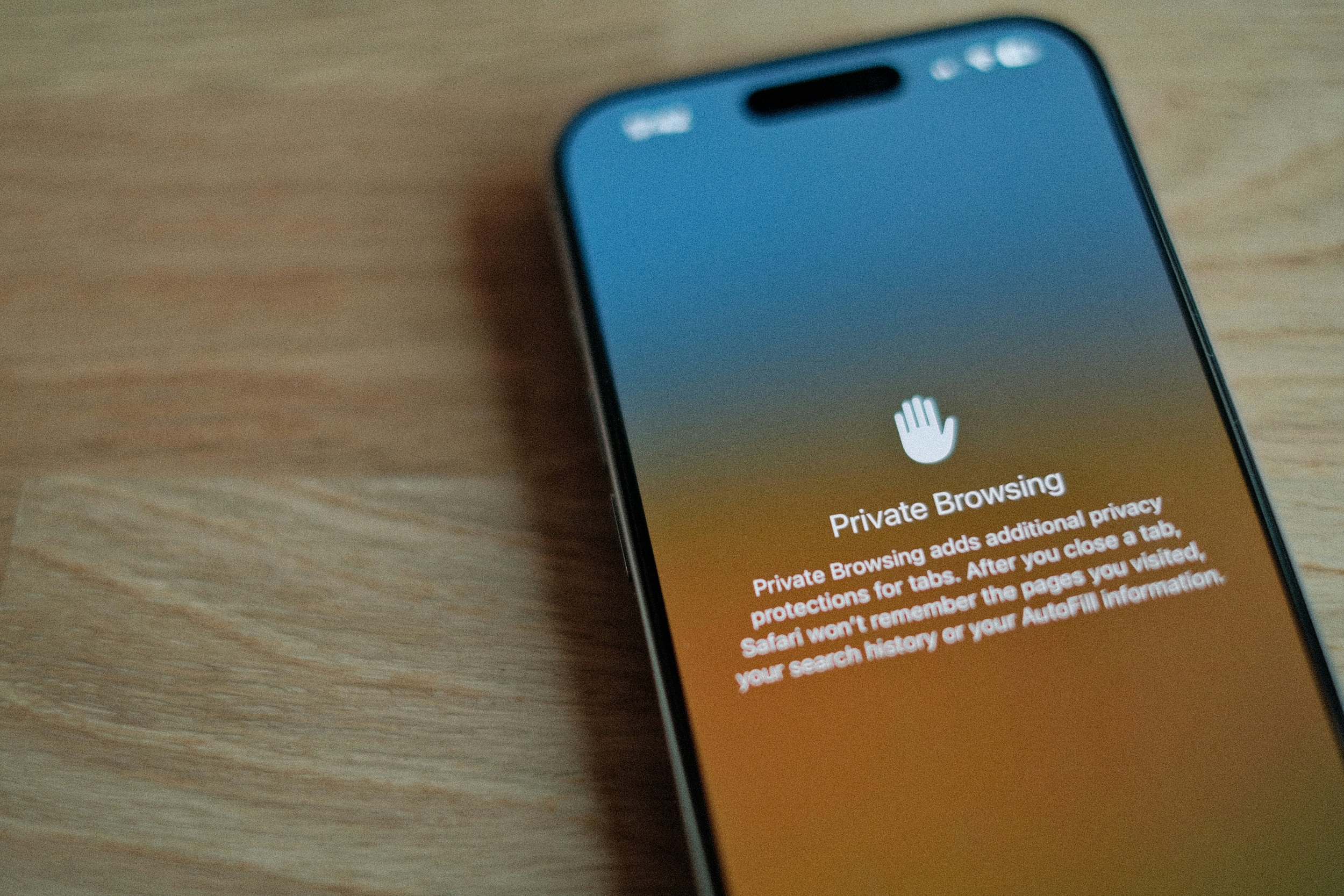
"AI systems continuously analyze behavioral patterns, public profiles, and device signals to infer habits, preferences, and personal details. Protect digital privacy by auditing app permissions, enabling strong authentication, using encrypted connections, and regularly reviewing security settings to stay ahead of trackers and maintain online anonymity."
"Using VPN encryption masks IP addresses and secures traffic over public and private networks. Protect digital privacy by enabling two-factor authentication (2FA), disabling unnecessary location access, and blocking cookies and trackers across browsers. Regular audits of app permissions and browser privacy settings help prevent AI systems from accessing sensitive information."
"Use a VPN: Route internet traffic through encrypted tunnels to mask your IP address and prevent ISPs or third-party actors from tracking your location and activity. Enable hardware security keys and 2FA: Add layers of protection beyond passwords with biometric and hardware-based authentication methods."
AI systems continuously analyze behavioral patterns and device signals to infer personal details, making online privacy protection critical. Effective safeguarding involves multiple strategies: using VPN encryption to mask IP addresses, enabling two-factor authentication for account security, auditing app permissions to limit data access, disabling unnecessary location services, and blocking cookies and trackers. Regular reviews of browser privacy settings, private browsing modes, and periodic data removal requests reduce available personal information. Combining these proactive measures minimizes behavioral profiling and maintains higher security levels across devices while preventing intrusive monitoring from data brokers and third-party actors.
#ai-tracking-and-privacy #vpn-and-encryption #two-factor-authentication #data-protection-strategies #digital-footprint-reduction
Read at Tech Times
Unable to calculate read time
Collection
[
|
...
]