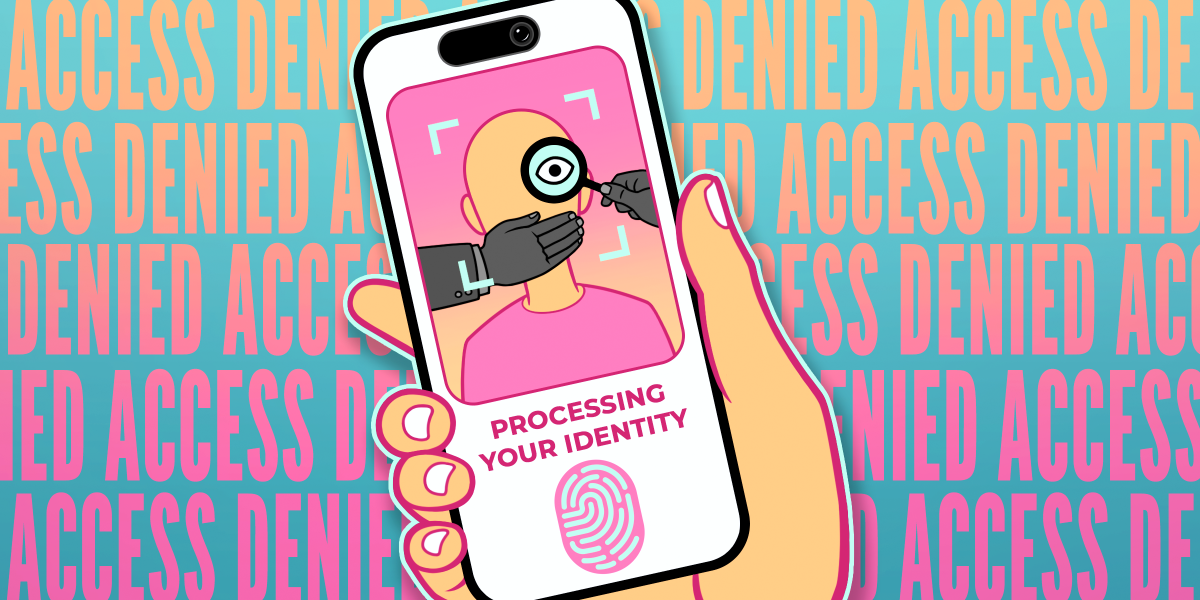
"At some point, you may have been faced with the decision yourself: should I continue to use this service if I have to verify my age? And if so, how can I do that with the least risk to my personal information? This is our guide to navigating those decisions, with information on what questions to ask about the age verification options you're presented with, and answers to those questions for some of the top most popular social media sites."
"Since we know that leaks happen despite the best efforts of software engineers, we generally recommend submitting the absolute least amount of data possible. Unfortunately, that's not going to be possible for everyone. Even facial age estimation solutions where pictures of your face never leave your device, offering some protection against data leakage, are not a good option for all users:"
Age verification mandates are already in effect and require many people to verify their age online, often exposing sensitive data through leaks. Submitting the absolute least amount of data possible reduces the risk of harm from such leaks. Some users cannot realistically provide minimal data, and certain verification methods perform unevenly across populations. On-device facial age-estimation can keep images local and reduce leakage risk but works less well for some trans and nonbinary people and for people with disabilities. Cryptographic approaches can allow a digital ID to reveal only whether an age threshold is met, limiting unnecessary data disclosure.
Read at Electronic Frontier Foundation
Unable to calculate read time
Collection
[
|
...
]