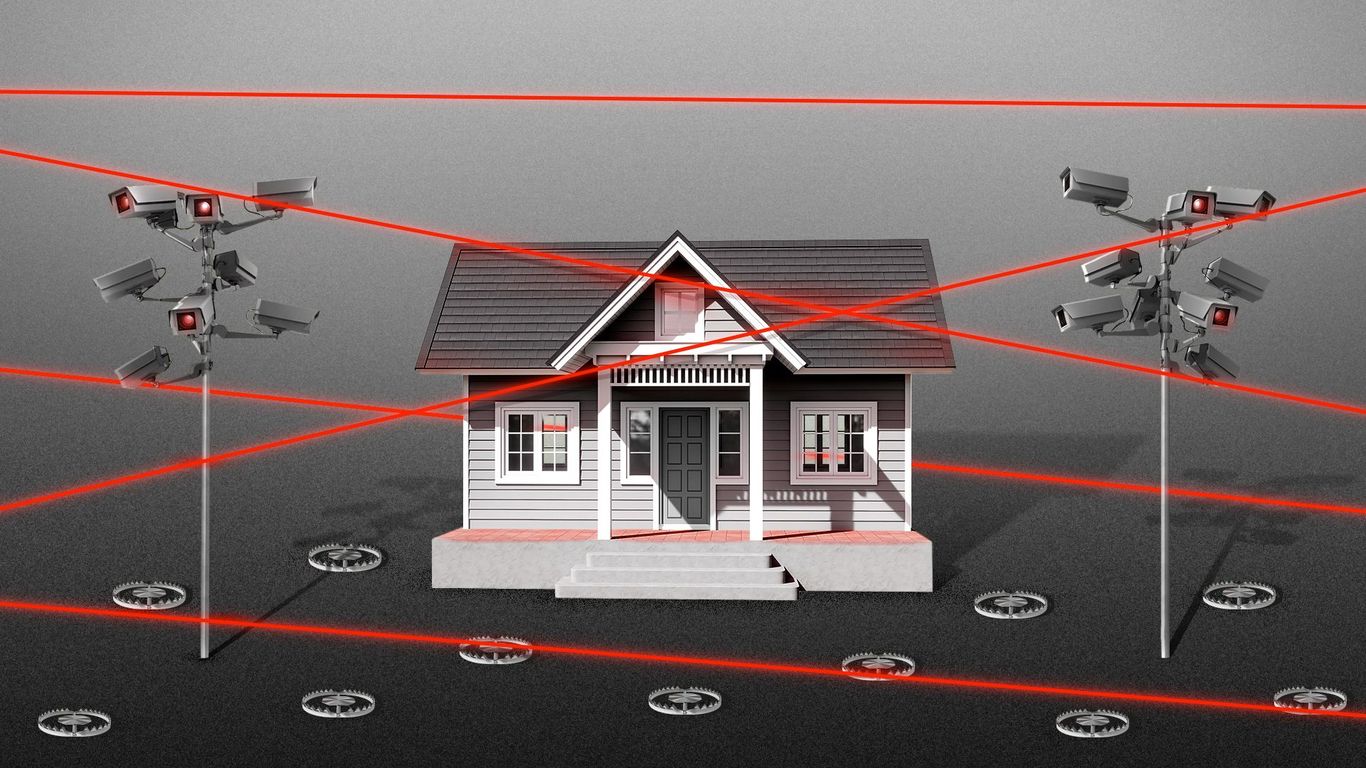
Shared video alerts and wildlife reports are replacing traditional neighborhood watch practices like block captains, porch meetings, and “See Something, Say Something” signs. Ring doorbells stream constant footage that users can post as alerts, while Nextdoor flags suspicious strangers and encourages social shaming. License plate readers are expanding across communities, raising privacy concerns. As surveillance technology spreads, neighborhood watch programs are being dismantled. Ann Arbor removed more than 600 signs after officials said they encouraged racial profiling and made residents feel unwelcome. Elsewhere, programs fade as volunteer participation drops and younger residents opt out. Neighborhood watch relied on collective efficacy, but people increasingly monitor screens rather than neighbors.
"Shared videos of “suspicious” strangers and wildlife alerts are in; out are block captains, porch meetings and “See Something, Say Something” signs. Zoom in: Ring doorbells stream constant footage, allowing users to post it all on an app as alerts. Nextdoor posts flag “suspicious” strangers and lets users shame dog walkers who don't pick up poop. License plate readers are cropping up in thousands of communities, alarming privacy advocates."
"Ann Arbor, Michigan removed more than 600 neighborhood watch signs this year after officials said they encouraged racial profiling and made some residents feel unwelcome. The decline has been quieter in other places. Law enforcement officials say many programs simply fade as volunteer participation dries up and younger residents opt out."
"“We actually lose communication, and we lose that sense of community,” Mary Dodge, professor of criminal justice at the University of Colorado Denver School of Public Affairs, tells Axios. Neighborhood watch once depended on what researchers call “collective efficacy” - people knowing each other well enough to act together. Now, Dodge said, people don't need to know their neighbors at all."
"Zoom out: The decline of the neighborhood watch comes as Americans spend more time at home, even as they become strangers to their neighbors. In 2012, 51% of young Americans regularly engaged with neighbors, according to an AEI report reviewed by Axios' Josephine Walker. That number has plummeted to 25% today."
Read at Axios
Unable to calculate read time
Collection
[
|
...
]