Police agencies lease or purchase Flock Safety automated license plate reader systems and mount them along roads and intersections to capture every passing vehicle’s plate details, vehicle characteristics, and the date, time, and location of each sighting. Millions of searches of the resulting ALPR data show that, without a warrant requirement to access these databases, agencies use the information far beyond targeted criminal investigations. The data is also used for low-level purposes such as checking whether someone lives in a school zone, conducting employment background checks, and investigating loud music complaints. Reports include targeting a motorcyclist for holding a cell phone while riding. Broad sharing through nationwide pools enables frequent searches, including surveillance of protesters, abortion-seekers, immigrants, and ethnic Roma populations.
"An EFF analysis of millions of searches of Flock Safety automated license plate reader (ALPR) data by police has uncovered a troubling pattern: in the absence of a warrant requirement to search ALPR databases, law enforcement agencies have moved beyond specific investigations to use these surveillance networks for virtually any whim."
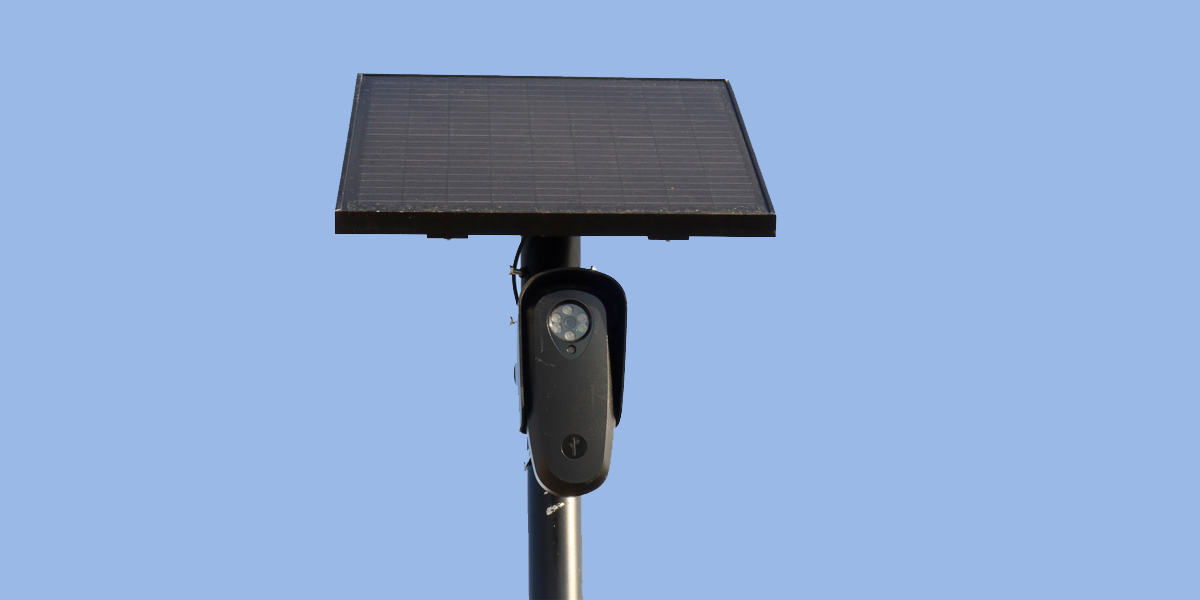
"Law enforcement agencies lease or purchase camera systems from Flock Safety and then mount them by the side of the road and at intersections to document every vehicle that passes, including the plate, make, model, color and distinguishing characteristics, along with the date, time and location of where it was seen."
"What they're not saying is that ALPRs are also frequently used for extremely low-level investigations, such as verifying whether a student lives within a particular school zone. In some cases, police have even used this tech to conduct employment background checks and investigations into loud music complaints. Recently, a motorcyclist was even targeted for simply holding a cell phone while riding."
"Most agencies choose to share broadly, often as part of a nationwide pool, making it common for a single city's system to be searched hundreds of thousands of times each month. By analyzing these "network audit logs," privacy advocates and journalists have uncovered evidence of the technology being used to surveil protesters , abortion-seekers , immigrants , and even ethnic Roma populations ."
#automated-license-plate-readers #warrantless-surveillance #privacy-and-civil-liberties #law-enforcement-data-sharing #location-tracking
Read at Electronic Frontier Foundation
Unable to calculate read time
Collection
[
|
...
]