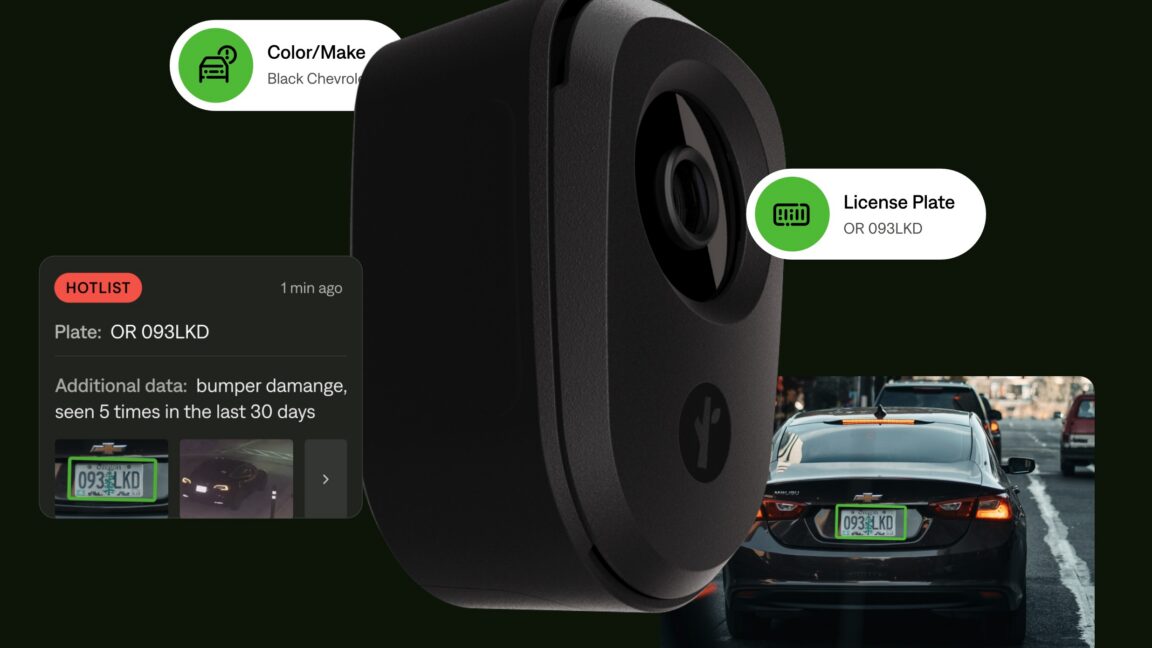
""Modern-day license plate reader systems, like Norfolk's, are nothing like [the technology of the early 1980s]," Michael Soyfer, one of the Institute of Justice attorneys, told Ars by email. "They track the movements of virtually every driver within a city for weeks at a time. That can reveal a host of insights not captured in any single trip.""
""Here, the court emphasized that LPR technology, as deployed in Norfolk, is meaningfully different from systems that enable persistent, comprehensive tracking of individuals' movements," the company wrote. "When used with appropriate limitations and safeguards, LPRs do not provide an intimate portrait of a person's life and therefore do not trigger the constitutional concerns raised by continuous surveillance," it added."
""understandably conservative and dangerous.""
Judge Davis cited Knotts v. United States (1983), which held there is no reasonable expectation of privacy when traveling on public roads, in a ruling about ALPR use. Knotts involved a radio transmitter tracking suspected drug traffickers driving between Minnesota and Wisconsin and has underpinned ALPR legality for decades. An Institute of Justice attorney said modern ALPR systems track virtually every driver within a city for weeks and reveal insights beyond single trips. Flock Safety argued Norfolk's deployment differs from persistent comprehensive tracking and that LPRs with safeguards do not create intimate portraits. A law professor called the ruling conservative and dangerous, warning it could justify ubiquitous ALPR deployment.
Read at Ars Technica
Unable to calculate read time
Collection
[
|
...
]