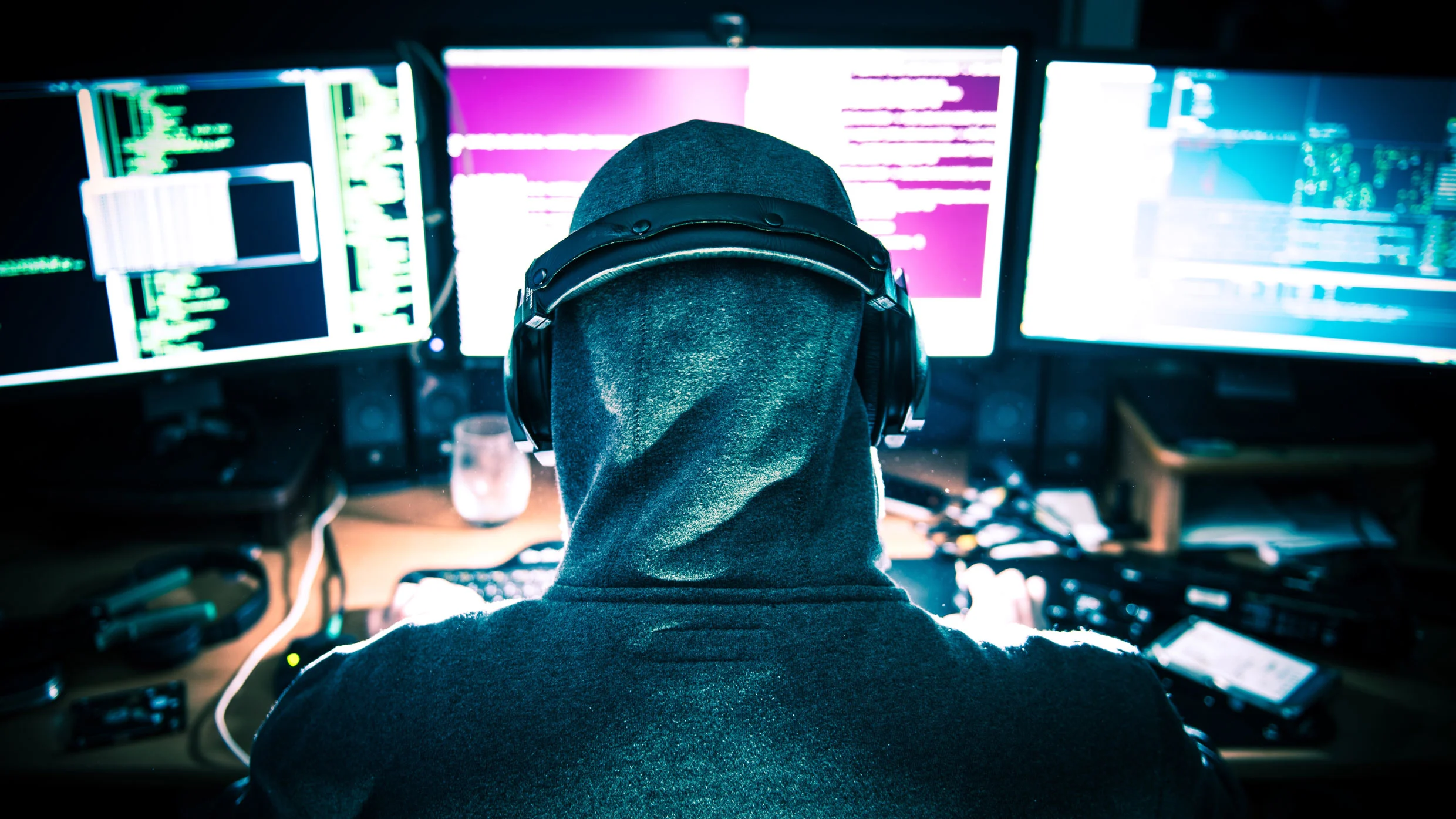
"Teenage hackers are quietly reshaping cybercrime. They're not movie-style geniuses, but persistent, socially connected, and often addicted-causing real harm through data breaches and feeding a cycle that leads to ever more serious attacks."
"In 2018, hacker Julius Kivimäki found a way into the servers of the Vastaamo Psychotherapy Center chain and stole all the data he could find. He stole the usual kinds of information-names, addresses, phone numbers, Social Security numbers-but he also stole the patient notes; 33,000 people had their data stolen in this way."
"I can't think of a worse data set to be in the hands of a criminal extortionist than what I tell my therapist. Bear in mind, the people who were affected by this were already vulnerable. They were struggling with mental health issues."
Teenage hackers are quietly transforming cybercrime, not through genius-level skills but through persistence, social connections, and addictive engagement in criminal activity. Data breaches cause significant real-world harm that people often underestimate. The Vastaamo Psychotherapy Center breach in Finland exemplifies this danger—a hacker stole sensitive mental health records from 33,000 vulnerable patients, including therapy notes. Such breaches are particularly devastating when personal information falls into extortionists' hands. The scale and impact of data breaches are difficult to assess, but they can cause serious damage beyond surface-level concerns about exposed contact information.
Read at Fast Company
Unable to calculate read time
Collection
[
|
...
]