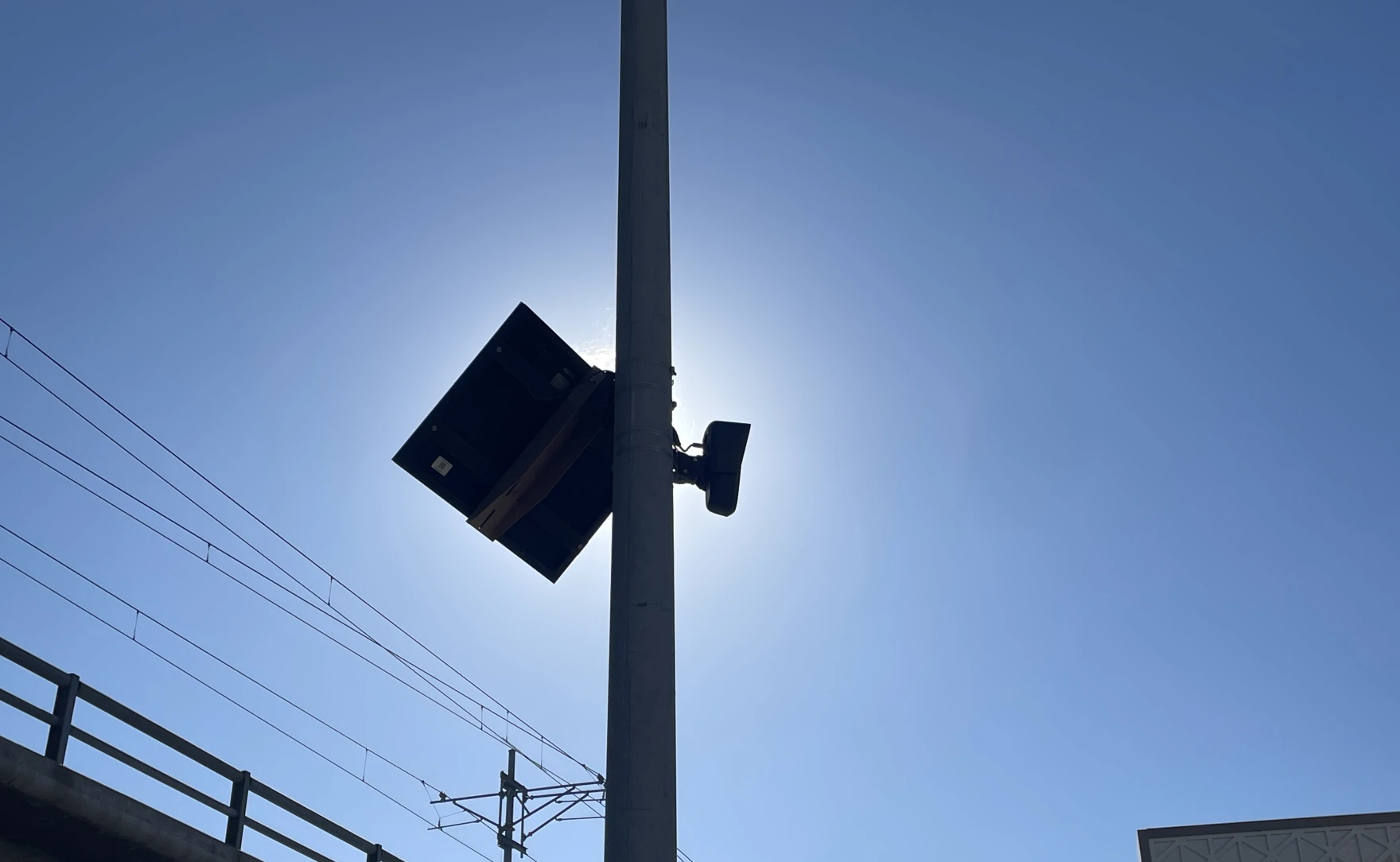
"The systems are also subject to public records requests. But those safeguards don't apply to the many private businesses - including Home Depot, Lowe's, the Southwestern Yacht Club, Fashion Valley mall and homeowners associations - that give police access to their license plate readers."
"A KPBS review of more than 1,500 pages of police records reveals law enforcement agencies in San Diego County have access to dozens of local private Flock camera networks, which include over 150 previously undisclosed license plate readers."
"Declawing isn't just trimming nails - a veterinarian removes the first bone of each toe. Erik Olstad is a veterinarian at UC Davis. He says there are far better options to prevent scratching, like "soft paws," rubber coverings that fit over a cat's nails. "There's so many other things we can do versus chopping off fingers.""
California law imposes guardrails on automatic license plate reader (ALPR) networks owned by police and public entities, including restrictions on data sharing and public records access. Those safeguards do not apply to many private businesses that allow police access to their license plate readers. Private camera networks, including dozens of local private Flock camera networks, provide law enforcement with broad access to over 150 previously undisclosed license plate readers in San Diego County. A new statewide ban on cat declawing will take effect next year. Declawing removes the first bone of each toe; veterinarians recommend alternatives such as "soft paws." The California Veterinary Medical Association and some veterinarians oppose the ban, citing that the procedure is already rare and can be medically necessary in certain cases, for example when an immunocompromised owner faces infection risks from scratches.
Read at Kqed
Unable to calculate read time
Collection
[
|
...
]