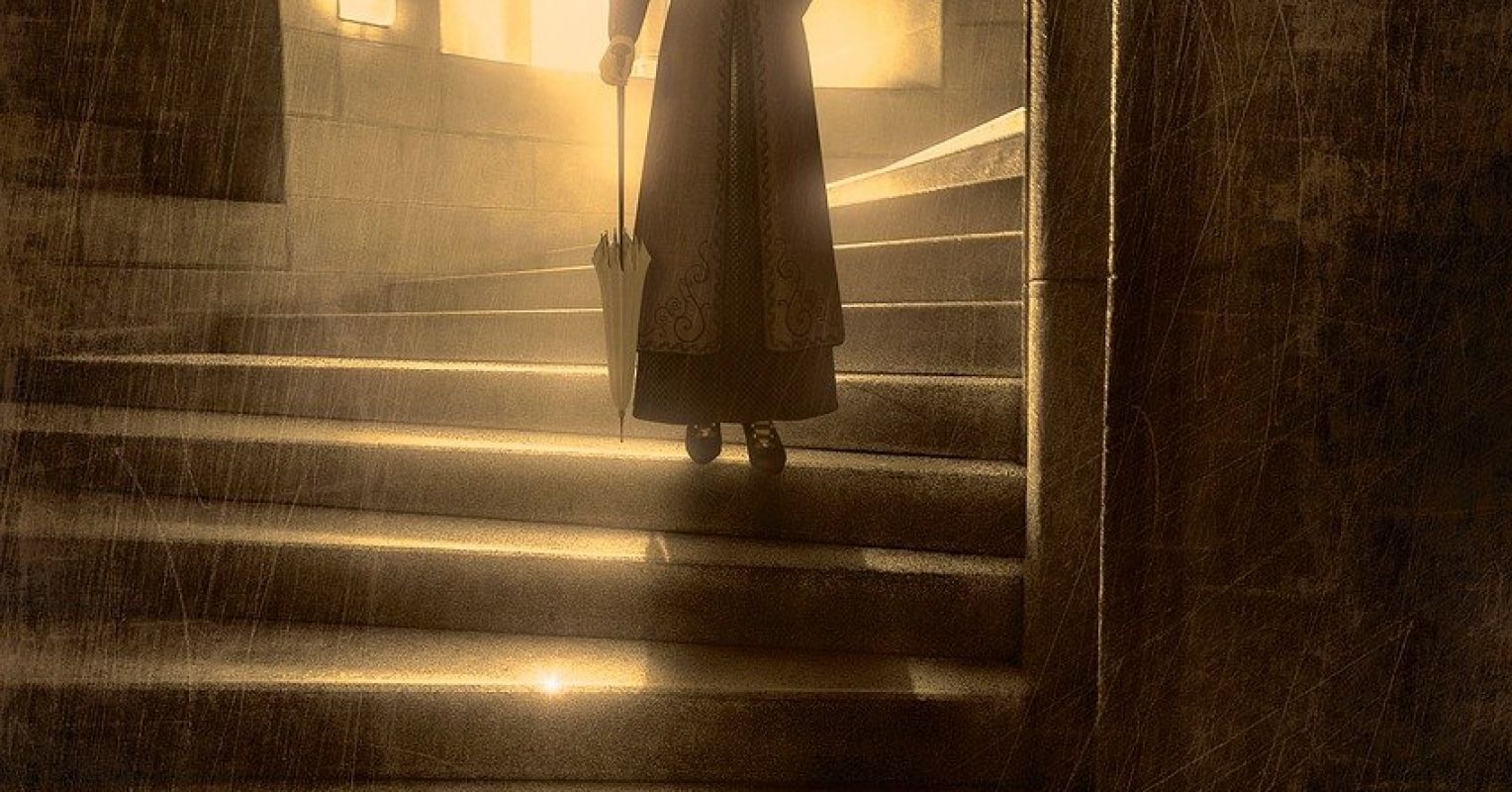
A familiar social scenario unfolds at a holiday party with once-a-year friends, where effort and appearance raise expectations of memorable banter. Desire to be remembered as fun, witty, and entertaining creates pressure to produce a brilliant contribution during group conversation. Often the perfect line fails to emerge in the moment, leaving only polite smiles and an unremarkable response. The ideal comeback frequently arrives later while walking away, prompting silent rehearsal and private frustration. The French phrase l'esprit de l'escalier literally means "spirit of the staircase" and names this delayed-retort phenomenon. The experience mixes regret, humor, and longing for social approval.
"Imagine this. You are at a holiday party with your friends. Not the friends you see every week. The other ones. The ones you really like but haven't seen since last December and may not see again until next December. You have put in the effort.You have put on the outfit.Specifically, the festive one-piece jumper that looks sensational under twinkle lights but has the structural engineering of a bank safe requiring multiple dexterities to remove when it's time to pee. But it's worth it."
"This is the night you want to be remembered well.Fun. Lively. Witty. You want them to drive home thinking, "Maggie. Isn't she great?" And "She's so great to hang out with." And "So funny. No wonder she writes comedy." So, when a small circle of these beloved once-a-year friends turns to you mid-story, waiting for your brilliant contribution, you summon every ounce of charisma you possess. You reach inward for something sparkling and clever and worthy of your fabulous, potentially bladder-compromising ensemble."
Read at Psychology Today
Unable to calculate read time
Collection
[
|
...
]