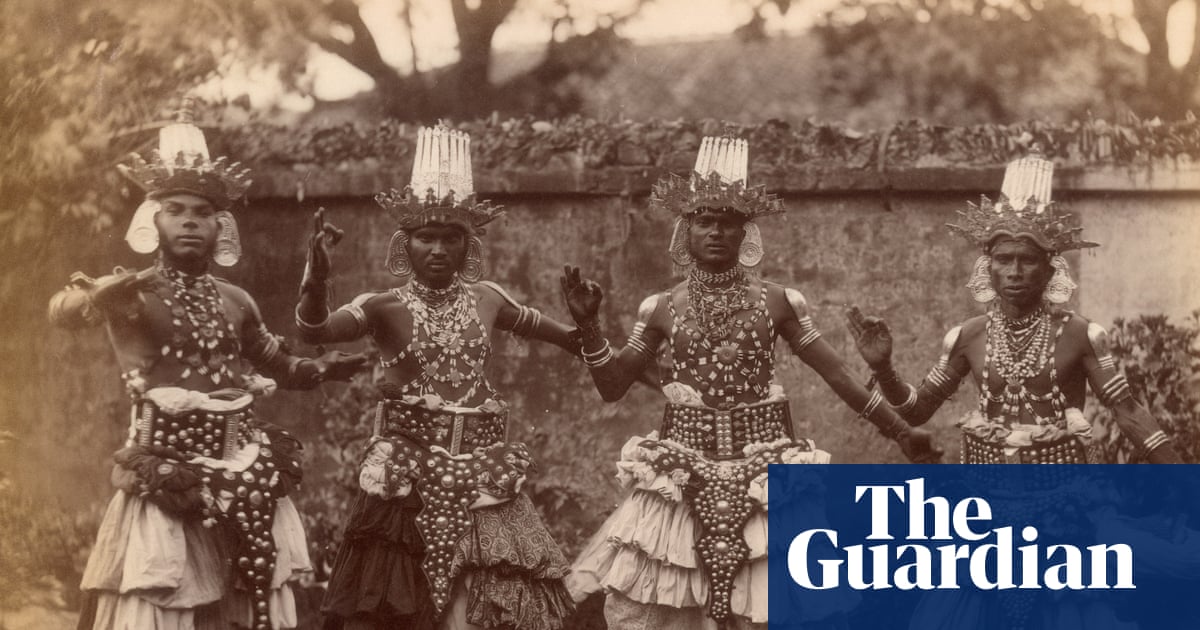
British colonialists employed photography as a systematic tool for ethnographic documentation and classification of Indian populations during the 19th century. The large-scale project called People of India (1868-1875) aimed to categorize subjects as generic types to understand their motivations, personality traits, and customs for more effective imperial control. British photographers like Benjamin Simpson and James Waterhouse collaborated with Indian commercial photographers to create over 160 surviving photographs. These images reduced individuals to ethnic specimens with dehumanizing captions such as water carriers, aboriginals, coolies, and snake charmers, stripping subjects of individual identity. This photographic project supplemented extensive record-keeping, censuses, and surveys that characterized British colonial administration, transforming photography into an instrument of imperial power and social control.
"The images were taken by British colonialists as part of a great project of photographic ethnography, intended to classify and categorise their subjects. They are the opposite of celebrating individuals. And Indians visiting an exhibition at Delhi art gallery (DAG), that accompanied the release of the book Typecasting: Photographing the Peoples of India 1855-1920, are able to see how the British enlisted photography as a tool to further the imperial project."
"Its intention, argues the book, was to classify its subjects as generic types, the better to understand their motivations, personality traits, and customs in order to more effectively exert control. The project included the work of British photographers such as Benjamin Simpson and James Waterhouse, along with Indian commercial photographers."
"More than 160 of the surviving photographs which have been compiled for the book supplemented the meticulous record keeping, censuses and surveys that remain of this era of British rule. The sitters have no names. The captions speak of ethnic specimens: water carriers, aboriginals, manure dryers, coolies, snake charmers, dancing girls, fakirs, Brahmin girls."
#colonial-photography #ethnographic-classification #imperial-control #indian-history #photography-as-tool-of-power
Read at www.theguardian.com
Unable to calculate read time
Collection
[
|
...
]