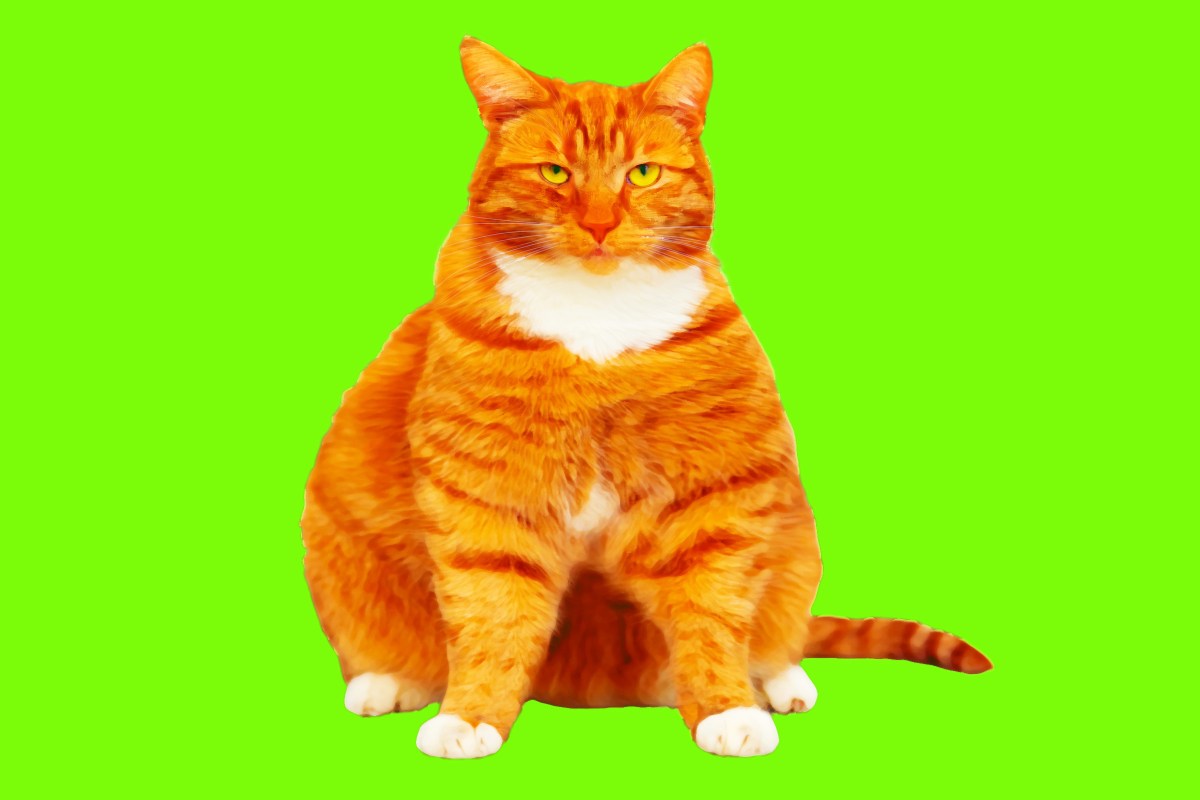
"Your pet dog or cat might soon be a chubby little munchkin no more. Welcome to the burgeoning era of - we swear we're not making this up - "ozempets," in which your servile critters might shed some extra pounds by taking animal-focused diabetes and weight loss drugs similar to Ozempic and Wegovy. It hasn't quite happened yet, but it's seemingly about to. As the New York Times reports, a San Francisco based biopharmaceutical firm called Okava Pharmaceuticals is expected to announce the first pilot study of using these drugs, which are known as GLP-1 agonists, on obese cats."
"Spoiled as ever, the cats won't even need to receive regularly injections of the drug. In a setup that seems designed to fuel conspiracy theories but is intended to make the treatment more convenient for owners, the cats will instead be injected with microchip-sized implants that slowly release the drug for periods up to six months, according to the reporting. Okava hopes to carry out similar trials in dogs. "You insert that capsule under the skin, and then you come back six months later, and the cat has lost the weight," Chen Gilor, a veterinarian at the University of Florida, who is leading the study, told the NYT. "It's like magic.""
A San Francisco biopharmaceutical firm plans pilot studies of GLP-1 agonist treatments for obese cats using subcutaneous, microchip-sized implants that slowly release medication for up to six months. The implants aim to suppress appetite and cause weight loss without repeated injections by mimicking a gut hormone that regulates blood sugar and appetite. Similar trials in dogs are being considered. The approach raises ethical questions about human-driven body norms and selective breeding for companion animals, while also offering potential health benefits for overweight pets if safety and welfare are prioritized.
Read at Futurism
Unable to calculate read time
Collection
[
|
...
]