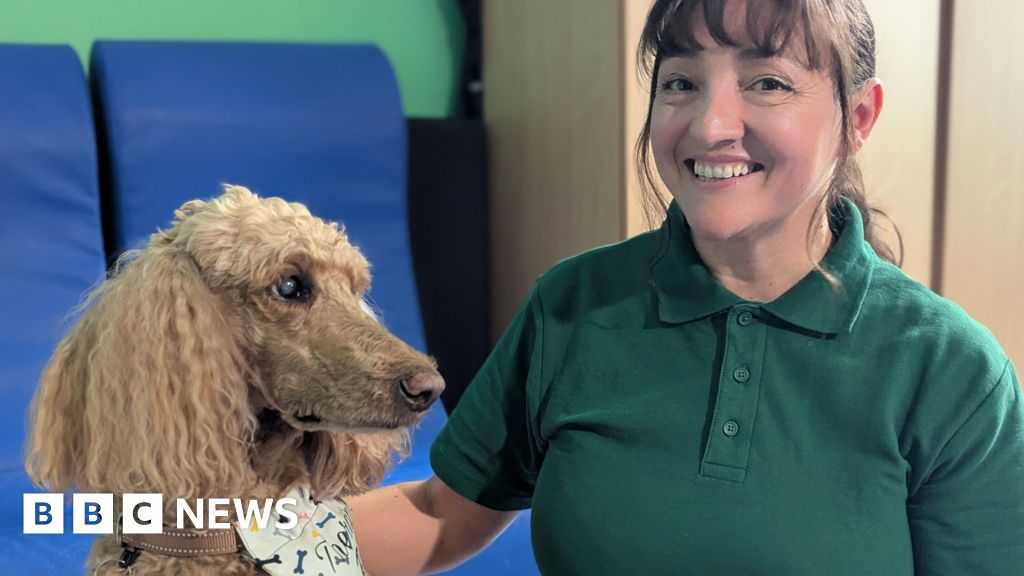
Animal therapy sessions with therapy dogs, cats, and other animals are provided to people experiencing mental health conditions through Central and North West London NHS Trust. The local programme has run since 2023 and is now being expanded across 16 hospital sites. Sessions allow patients to stroke, play with, or sometimes walk a therapy dog in the presence of its handler. A patient named Frankie describes animal therapy as easier to engage with than traditional talking therapies, citing the non-judgemental nature of dogs and the calming sensory experience during panic. Another patient experience includes frequent hospital stays, self-harm, and suicide attempts before animal therapy helped her open up. A therapy dog named Ruby is assessed by Canine Concern and is required to remain non-reactive in busy hospital environments.
"“With dogs, there's no judgement so it makes it easier to open up,” says Frankie. She is among those who have benefited from animal therapy through the Central and North West London NHS Trust. The scheme offers sessions with therapy dogs, cats and other animals to people experiencing mental health conditions. It has run locally since 2023 but the trust is now rolling out the provision across all of its sites - 16 in total."
"“At my lowest, I was in and out of hospital constantly. I self-harmed and I made a few attempts to take my own life.” Frankie said she could not engage with traditional talking therapies at the time, as she found it hard to open up. But that changed with animal therapy. “When you're having a bit of a panic, the dog will sit with you and you know you can stroke it. I also find the sensory aspect of petting animals calming,” adds Frankie."
"Sessions involve patients having the chance to stroke, play with, or sometimes walk the therapy dog in the presence of its handler. “Dogs are unconditional - they love you no matter what,” says Frankie. “And they're the most calming, soothing influence.” Therapy dog Ruby has had no specialist training. Katia Stanford, who has owned her since she was five, got her assessed by the charity Canine Concern."
"The role of a therapy animal requires a particular set of skills, says Stanford. Ruby needs to cope with lots of strangers in a busy, noisy hospital setting. “She needs to be non-reactive when being stroked by different people. No licking, no”"
Read at www.bbc.com
Unable to calculate read time
Collection
[
|
...
]