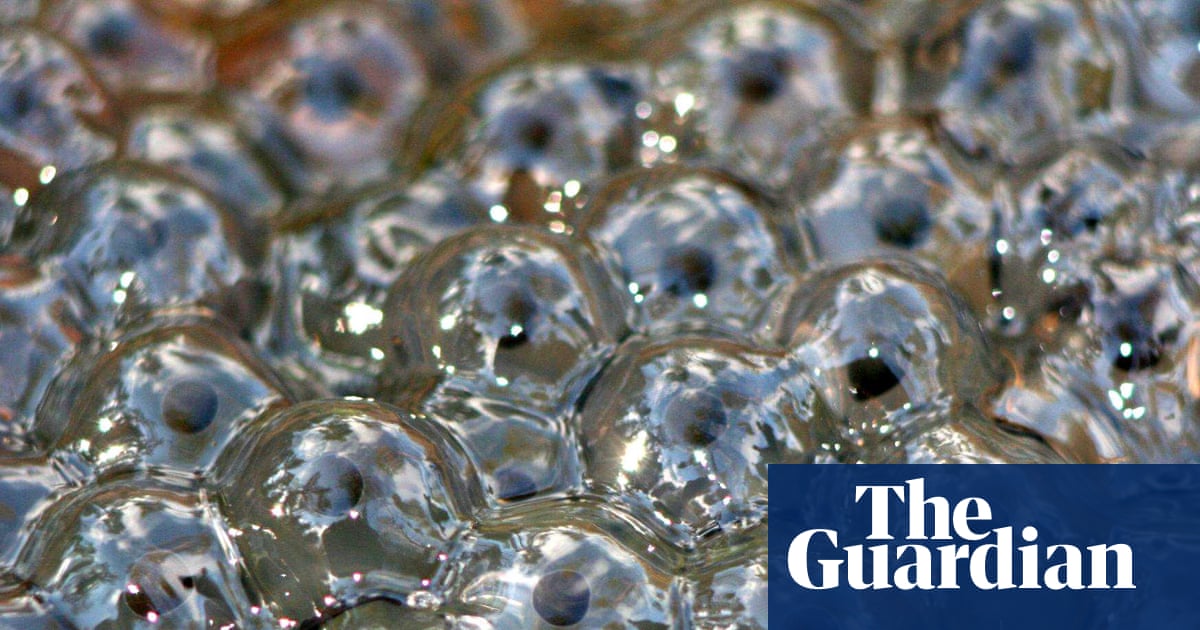
"Each spring brought the same transformation—clear jelly thick with black beads, then the slow unravelling of tadpoles, forming dark, shifting shoals in the shallows before dispersing into deeper water. Then came the smooth newt years. Their numbers built steadily until the balance tipped in their favour. Some nights, I counted into the 20s, my torchbeam catching their orange bellies as they surged up to ambush their prey."
"Frogspawn vanished almost as soon as it was laid; few tadpoles survived, and in time the frogs stopped breeding altogether. The newts' impact intensified. Damselfly larvae disappeared. Water boatmen grew scarce. Great pond snails, once abundant, were shaken from their shells, their soft bodies sucked up by the insatiable amphibians."
"The two species have a boom-and-bust relationship: when newts flourish, frog numbers decline, and with fewer frogspawn and tadpoles to sustain them, the newt population eventually dwindles. This spring, I've on"
A gardener observes seasonal changes in their pond ecosystem, which they created 28 years ago with their father. Initially, common frogs bred reliably each spring, producing frogspawn and tadpoles. Over time, smooth newts colonized the pond and their population grew dramatically, becoming dominant predators. The newts consumed frogspawn, tadpoles, and other pond life including damselfly larvae, water boatmen, and pond snails, eventually eliminating frog breeding entirely. After more than a decade of newt dominance, recent months show signs of frog recovery, with adult frogs sheltering nearby and frogspawn recently spotted. The two species exhibit a boom-and-bust relationship where newt population growth eventually leads to resource depletion, allowing frog populations to recover.
Read at www.theguardian.com
Unable to calculate read time
Collection
[
|
...
]