"It's the idea that we don't need to limit our thinking and our feelings to the binary by splitting and constraining ourselves to one way of being or the other. As mothers, at all stages of our mothering, when we open ourselves up so we can appreciate all our feelings, the light and the dark ones, and when we recognize the difficult ones as an opportunity for growth, we can learn about ourselves and our children."
"Often, as moms, we get trapped in this binary way of being. We see ourselves as happy or sad, full or depleted, angry or calm, exhausted or energized. We often don't make a place for our full range of emotions, the and, the possibility that oppositional feelings exist together and that this is our truth and our reality. This is for all of us, and this is normal."
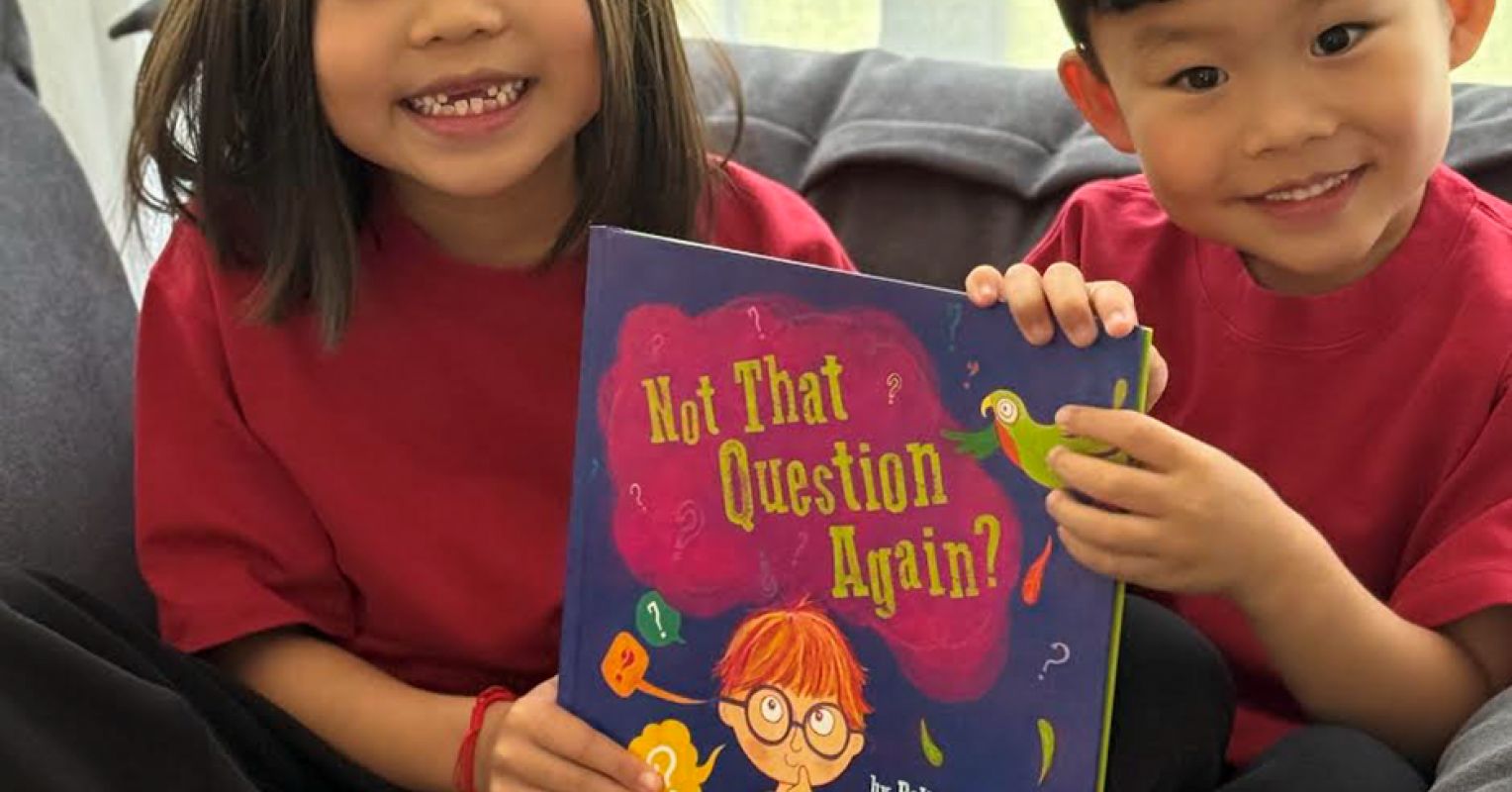
Mothers can embrace ambivalence by focusing on the 'and' rather than the 'or' to avoid limiting emotions to binaries. Embracing both light and dark feelings allows growth and deeper understanding of self and children. Many mothers default to binary labels—happy or sad, full or depleted, angry or calm—neglecting the coexistence of opposing emotions. Normalizing simultaneous feelings validates maternal experience across stages. A children's book, Not That Question Again, centers on a five-year-old named Jack who fears the daily question 'How was your day?' that feels soul-destroying to him. Everyday questions can push people into binary responses and obscure complex truths.
Read at Psychology Today
Unable to calculate read time
Collection
[
|
...
]