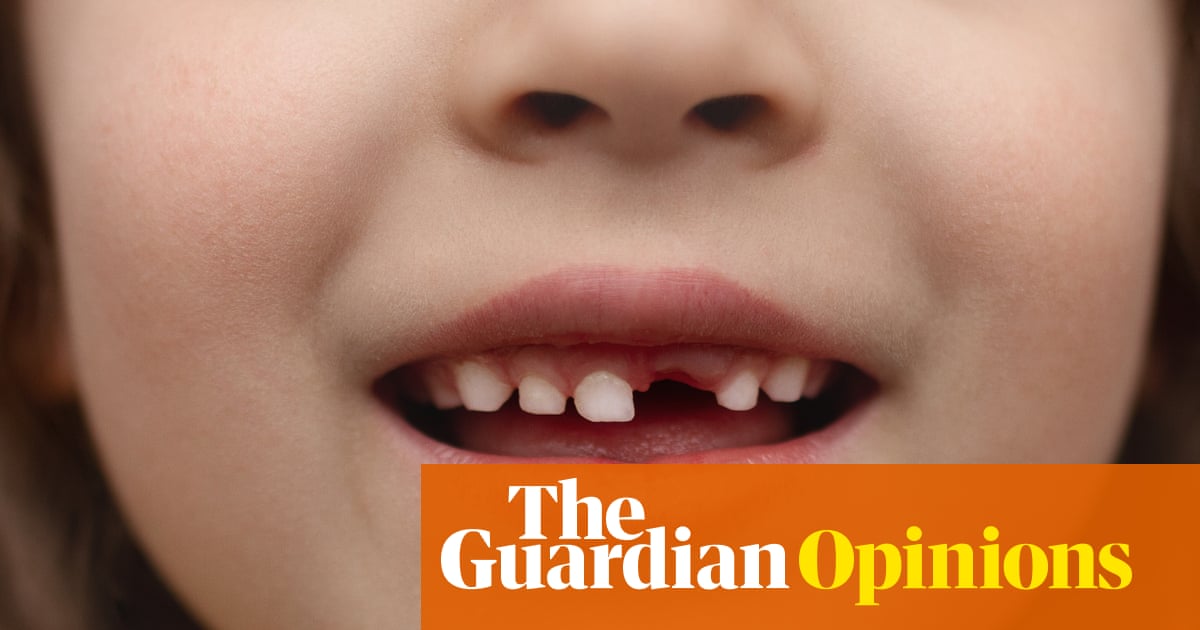
"The experience of watching my daughter lose her first tooth was bittersweet; her joy was palpable, yet I felt a sense of grief knowing things would change from here."
"The tooth fairy tradition varies widely among parents, with some embracing the ritual and others questioning its ethics, viewing it as a form of deception."
"Psychologists suggest that imaginary friends and worlds are beneficial for children, indicating that the distinction between fact and pretend is often unclear during childhood."
"Cultural variations of tooth traditions exist, such as a mouse collecting teeth in some European countries, showcasing the rich history of these imaginative rituals."
A parent reflects on the joy of their daughter losing her first tooth, celebrating the moment while grappling with feelings of change and grief. The tooth fairy tradition is examined, revealing diverse practices and opinions among parents. Some view it as a harmless ritual, while others criticize it as deceitful or commodifying childhood. The significance of imaginary friends and worlds in childhood is noted, highlighting the blurred lines between reality and imagination in early development.
Read at www.theguardian.com
Unable to calculate read time
Collection
[
|
...
]