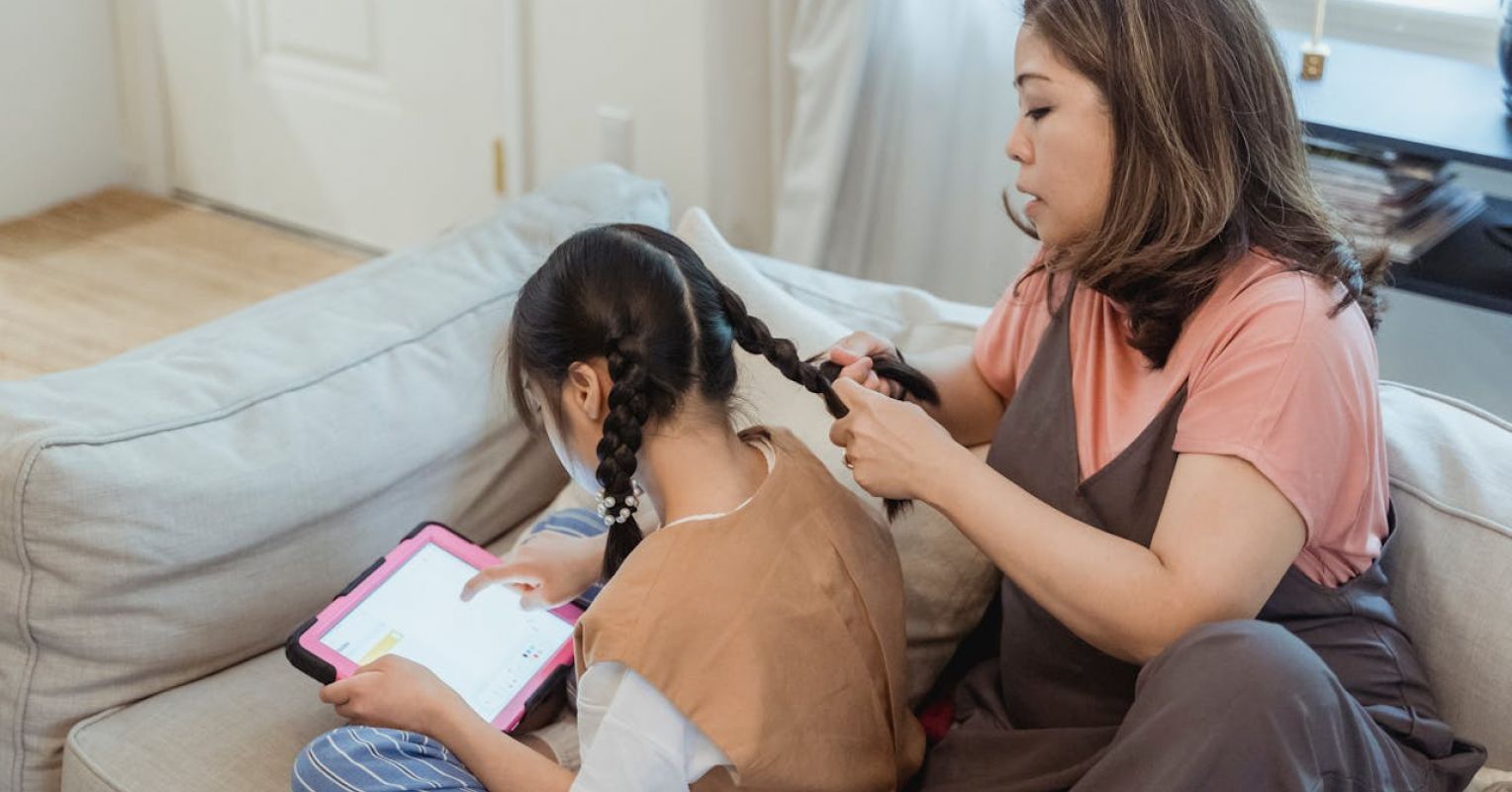
Sex education is an ongoing dialogue rather than a single conversation, beginning in early childhood with toddlers and preschoolers. Parents should use correct anatomical terms like penis, vulva, and vagina to reduce shame and strengthen body autonomy. Teaching body safety—that private parts are covered by swimsuits and no one should touch them without permission—empowers children and helps them report inappropriate behavior. Maintaining a neutral, calm tone without whispering or giggling normalizes these discussions. Addressing childhood curiosity about bodies through gentle guidance rather than shame teaches healthy boundaries. When parents don't provide sex education, children learn from peers, media, and culture, often without parental values reflected.
"If you don't teach your child about sex, someone else will. A classmate with an older sibling. A friend with unrestricted internet access. Social media. Culture will educate your child if you don't-and it rarely does so with your values in mind."
"The goal is not one grand, flawless lecture. It's thousands of small, steady conversations over time. When we approach sexuality as an ongoing dialogue rather than a single event, we replace shame with safety and secrecy with trust."
"Use accurate anatomical terms-penis, vulva, vagina, testicles, breasts. This is not about being graphic; it's about being clear. Correct language reduces shame, strengthens body autonomy, and increases safety. Children who know proper terminology are better able to report inappropriate behavior if it occurs."
#sex-education #parenting-communication #child-body-safety #early-childhood-development #age-appropriate-conversations
Read at Psychology Today
Unable to calculate read time
Collection
[
|
...
]