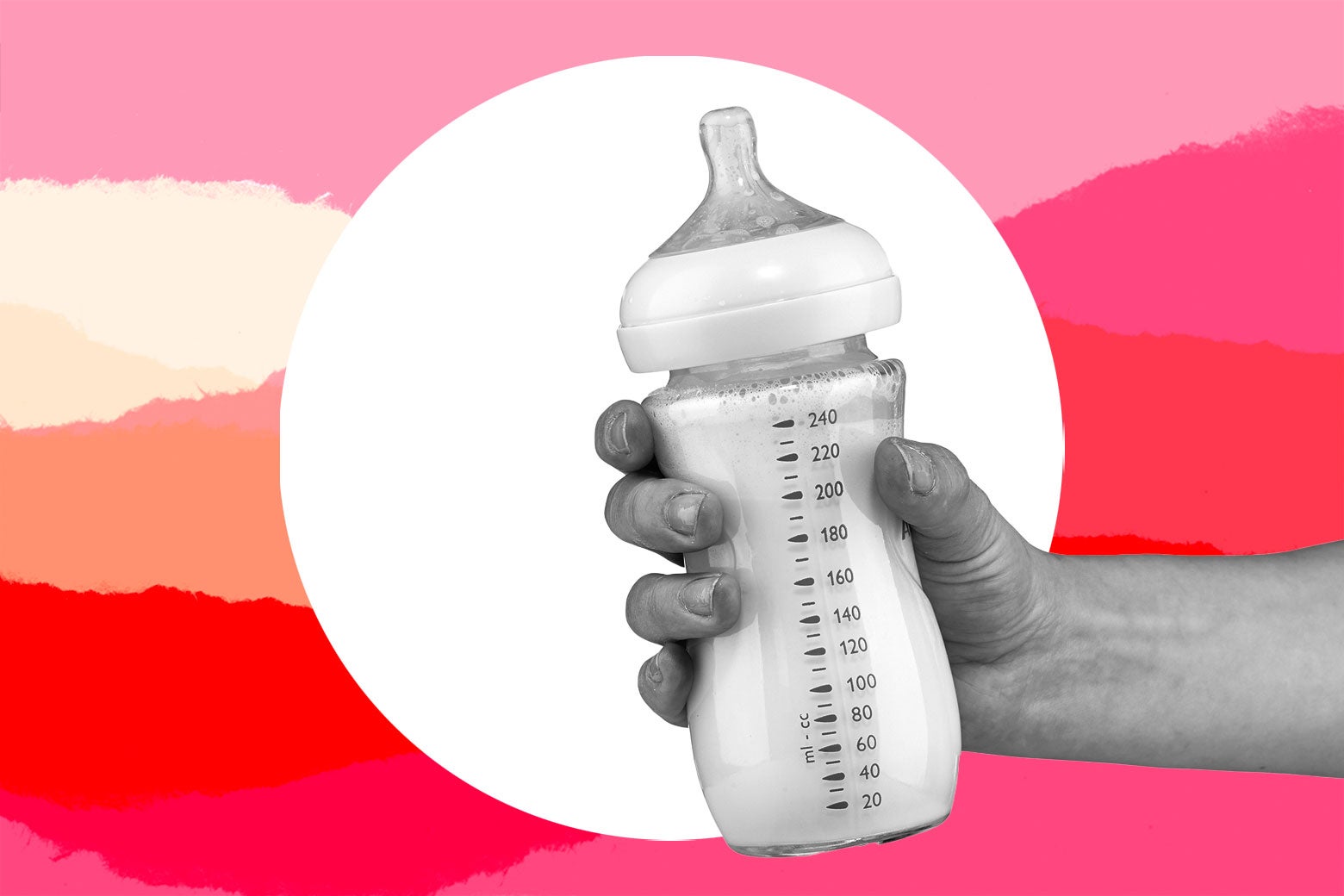
"We're bottle feeding, but exclusively using expressed breast milk. When I say, 'No, it's milk,' I'm always embarrassed at how squeamish or visibly uncomfortable people become. Especially if at some point the bottle leaked on their hands or the baby spit up, which has led to some choice comments."
"Pumping is extremely painful for me, so I'm struggling for every drop of milk I can provide. It's to the point that I want to tell people that only my husband and I feed the baby, but the truth is we rely on help a few times a week now that my maternity leave is over."
"Uh, so, this would never have occurred to me as an issue, either. Dude, you're not asking them to drink it!"
A parent exclusively bottle-feeds their baby with expressed breast milk after physical breastfeeding became impossible. Helpers and family members frequently ask mid-feeding whether the bottle contains formula, then express discomfort upon learning it is breast milk. The parent feels embarrassed and hurt by these reactions, especially given the emotional difficulty of their breastfeeding journey and the physical pain of pumping. They question whether they should warn people about the bottle contents or provide formula as an alternative for those helping with childcare. The advice columnist responds that parents have no obligation to disclose bottle contents to helpers, as the helpers are not consuming the milk themselves.
Read at Slate Magazine
Unable to calculate read time
Collection
[
|
...
]