"It feels pathetic to admit this, but I'm still a bit unmoored by my sons leaving after Christmas. There's a readjustment required every time back to tidy silence, to my studiedly casual WhatsApps going unread, to imagining their days by checking their weather. With my caretaking impulses thwarted, I'm anxious and unsettled, forever offering unwanted care parcels and unsolicited advice. Let them live their lives, I bleat to myself, while doing everything but."
"This subcategory of boomerang kids was first identified last year, after 28-year-old Brendan Liaw described himself as a professional stay-at-home son on the US quiz show Jeopardy!, prompting a rash of think pieces (and understandable eye-rolling in many communities where intergenerational living is commonplace). Much of the hub-son discourse is anecdotal, but it's rooted in demographic fact, both in the US and here: ONS data released in July showed 34% of 20-34-year-old men lived with their parents in 2024,"
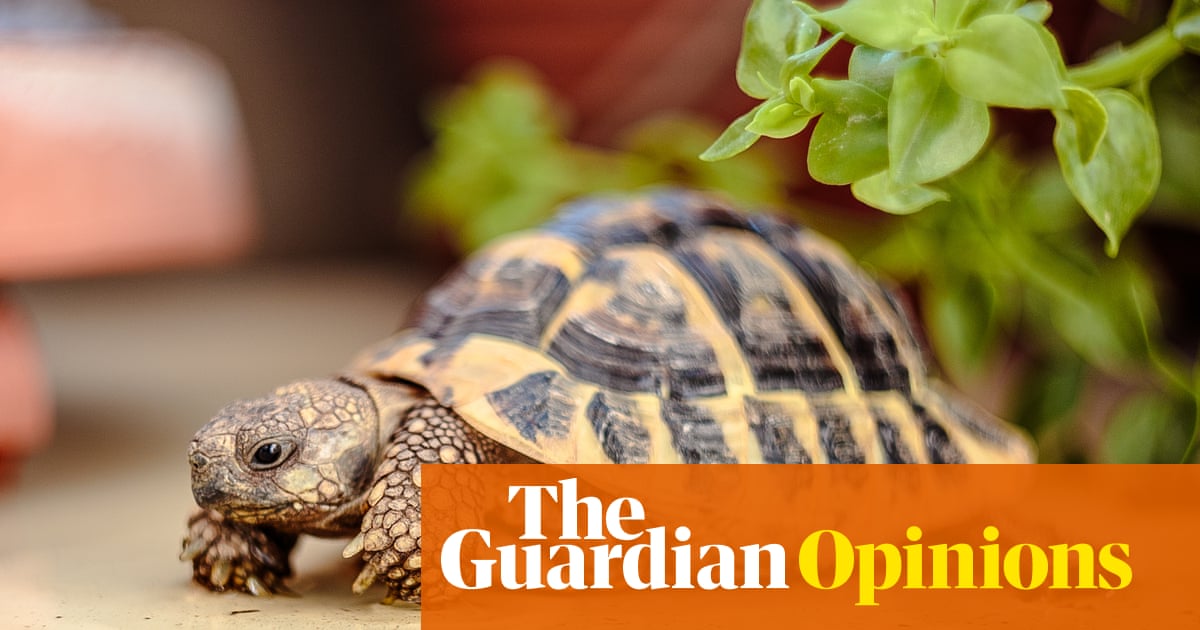
"Thank goodness, then, for my one stay-at-home child, still needy and clueless My sons would rather gnaw off their own arms than stay at home, and while this is, I suppose, a success they're independent, that's considered the end goal of this parenting business it doesn't feel like it sometimes. Thank goodness, then, for my one stay-at-home child, still needy and clueless; still filling my heart with the kind of sweaty, stomach-churning love that feels like standing on a cliff"
A parent experiences disorientation and anxious readjustment each time adult sons leave after holidays, noticing silence, unread messages, and imagined daily details. Caretaking impulses persist, producing unwanted parcels and unsolicited advice despite the verbal resolve to allow independence. Observations question the normativity of monogenerational living amid rising stay-at-home sons, a trend highlighted by public anecdotes and demographic data. Recent statistics show a substantial share of young men living with parents, and some men embrace stay-at-home identities. The coexistence of pride in children’s independence and lingering emotional longing creates tension and complex parental feelings.
Read at www.theguardian.com
Unable to calculate read time
Collection
[
|
...
]