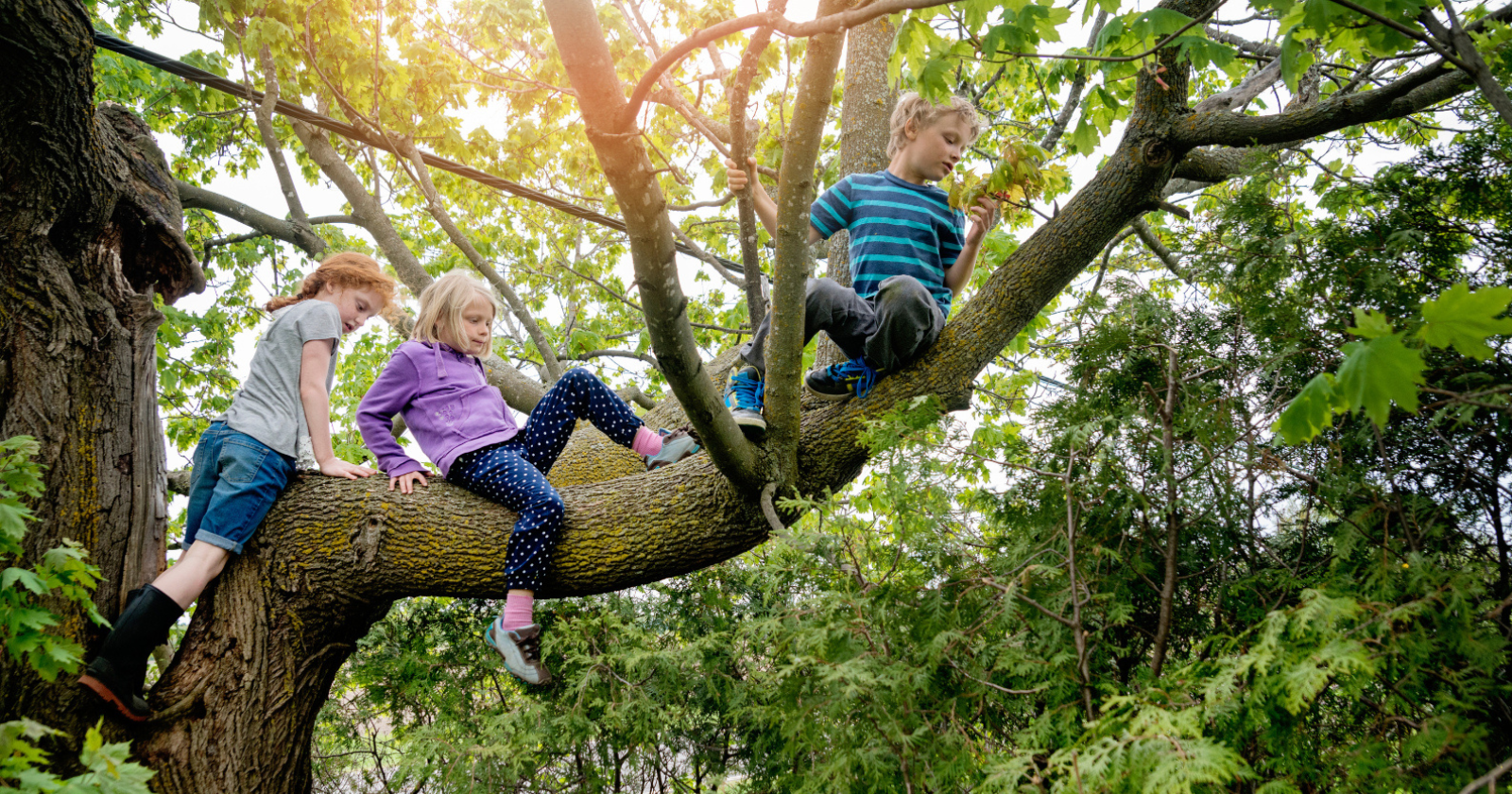
"By the mid-1990s, somewhere between half and two-thirds of American kids in elementary and middle school were spending part of their afternoons unsupervised, depending on which study you trusted and what exactly you counted as supervision. The numbers fluctuated by region and by income bracket, but the general shape of the data was clear: a generation of children was being given an unprecedented amount of unstructured, unwatched time, partly because both parents were now working, partly because the cultural script of the era held that this was good for us."
"The phrase that came up in the parenting magazines of the period was "self-sufficiency." The phrase that came up later, when we'd grown up and the older generation began describing us, was "low maintenance." I want to talk about that phrase, because I think it's the most quietly damning piece of intergenerational vocabulary I've ever encountered, and most of the people deploying it have no idea what they're describing."
"Here is what "low maintenance" meant, in practice, in the household I grew up in. It meant that I let myself in after school with a key I'd been wearing on a string around my neck since I was eight. It meant I made my own snack. It meant I started my homework, or didn't, with no one checking. It meant that when something went wrong at school-a friendship that had collapsed, a teacher who'd been cruel, a small heartbreak that I now recognize was an actual heartbreak-I sat with it alone in my bedroom until it dissolved into whatever it was going to dissolve into."
"It meant that the standard parental greeting at 6 p.m., when one of my parents got home from work, was "How was schoo"
By the mid-1990s, many American elementary and middle school children spent afternoons unsupervised, with rates varying by region and income. Parents worked and cultural norms praised unstructured time as self-sufficiency. Later, the same generation was described as low maintenance, a label that reframed independence as a lack of needs. In one household, low maintenance meant using a key to enter alone, making snacks, starting homework without checks, and handling school problems privately. When parents returned, the greeting focused on school performance rather than emotional experience. The result was solitude during distress and limited guidance for navigating relationships and hurt feelings.
#childhood-supervision #parenting-culture #intergenerational-labels #self-sufficiency #emotional-isolation
Read at Silicon Canals
Unable to calculate read time
Collection
[
|
...
]