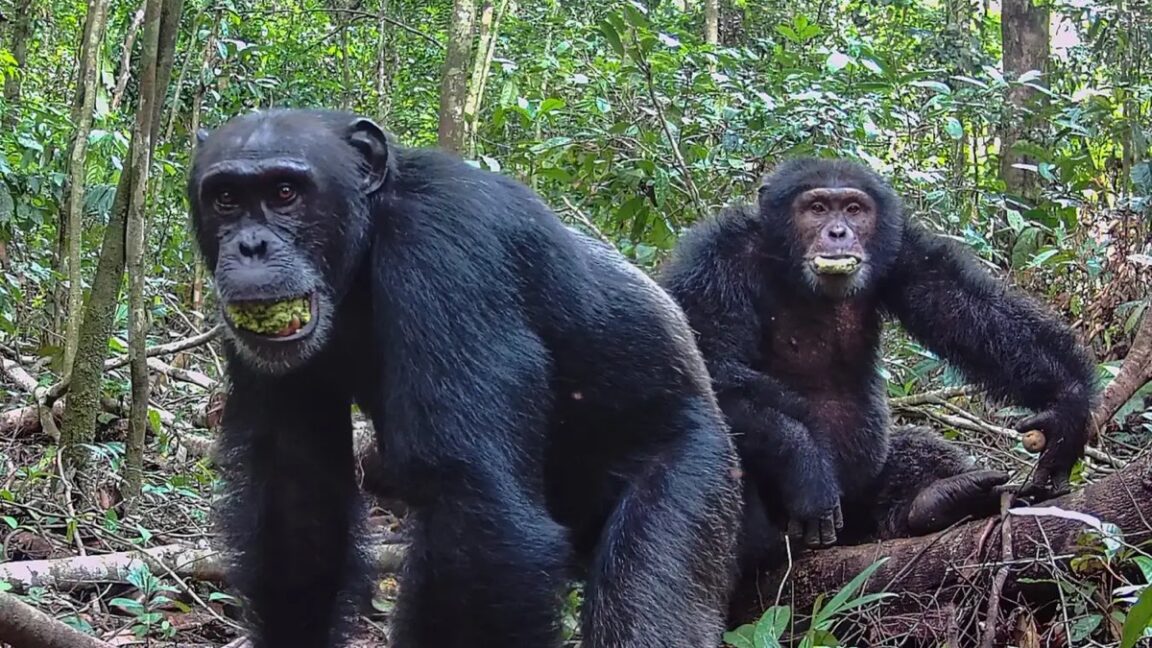
""A hostile split among wild chimpanzees is a reminder of the danger that group divisions can present to human societies. However, humans also engage with, bond, and cooperate at multiple levels across intersecting groups.""
""If relational dynamics alone can drive polarization and lethal conflict in chimps without language, ethnicity, or ideology, then in humans, those cultural markers might be secondary to something more basic.""
""As our paper concludes, it may be in the small, daily acts of reconciliation and reunion between individuals that we find opportunities for peace.""
In 2014, the deaths of six chimpanzees disrupted social networks, weakening ties across clusters. A new alpha male emerged in 2015, increasing inter-group tensions. A respiratory outbreak in 2017 killed 25 chimps, potentially accelerating separation. These events illustrate how networks can fracture due to demographic and social changes. The implications for human societies are significant, as group divisions can lead to conflict. Understanding these dynamics in chimpanzees may offer insights into reducing societal conflicts among humans through daily acts of reconciliation.
Read at Ars Technica
Unable to calculate read time
Collection
[
|
...
]