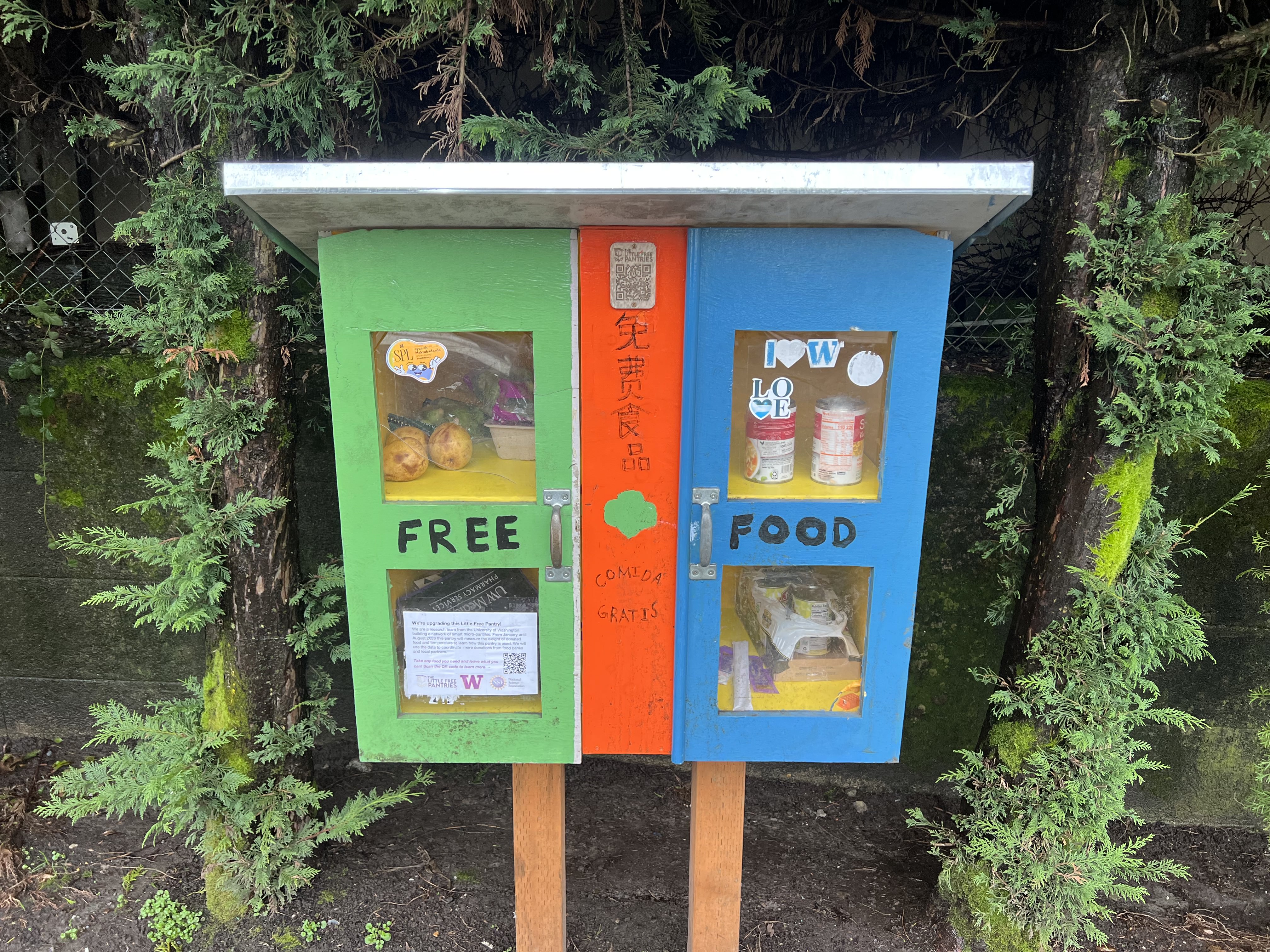
"At its simplest, a micro-pantry is a small, unattended compartment for food items that can be built just about anywhere, like curbs and front yards outside homes, places of worship, and other community destinations. Once in place, they are maintained by the community under the "take what you need, leave what you can" model: neighbors donate food to the pantry, then community members in need simply pick it up."
"A 2012 study found that it takes the average U.S. resident 15 minutes to get to the grocery store alone - not counting the return trip - and that it takes even longer in low-income food deserts, or for those without access to a private vehicle. By contrast, micro-pantries are embedded directly within communities and are often easy to access on foot, bike, or wheelchair."
"Since the first micro-pantry went up in Arkansas in 2016, there are now nearly 4,400 of them around the world, mostly in the United States. That's largely been driven by the rise of hunger itself, especially as grocery prices rise, food banks struggle to feed the hungry, and long lines stretch outside food banks."
Micro-pantries are small, unattended food compartments placed in accessible community locations like curbs, yards, and places of worship. Operating on a "take what you need, leave what you can" model, they rely on community donations and maintenance. Since the first micro-pantry opened in Arkansas in 2016, nearly 4,400 now exist worldwide, primarily in the United States. Growth has been driven by rising hunger, increasing grocery prices, and food bank capacity challenges. Car dependency significantly limits food access for Americans without vehicles, as reaching traditional grocery stores requires substantial travel time. Micro-pantries address this by embedding food access directly within neighborhoods, making them accessible by foot, bike, or wheelchair. Researchers at the University of Washington's Urban Freight Lab are exploring how micro-pantries can integrate with larger food bank networks and mutual aid systems.
#food-insecurity #community-food-access #transportation-barriers #grassroots-solutions #food-distribution-networks
Read at Streetsblog
Unable to calculate read time
Collection
[
|
...
]