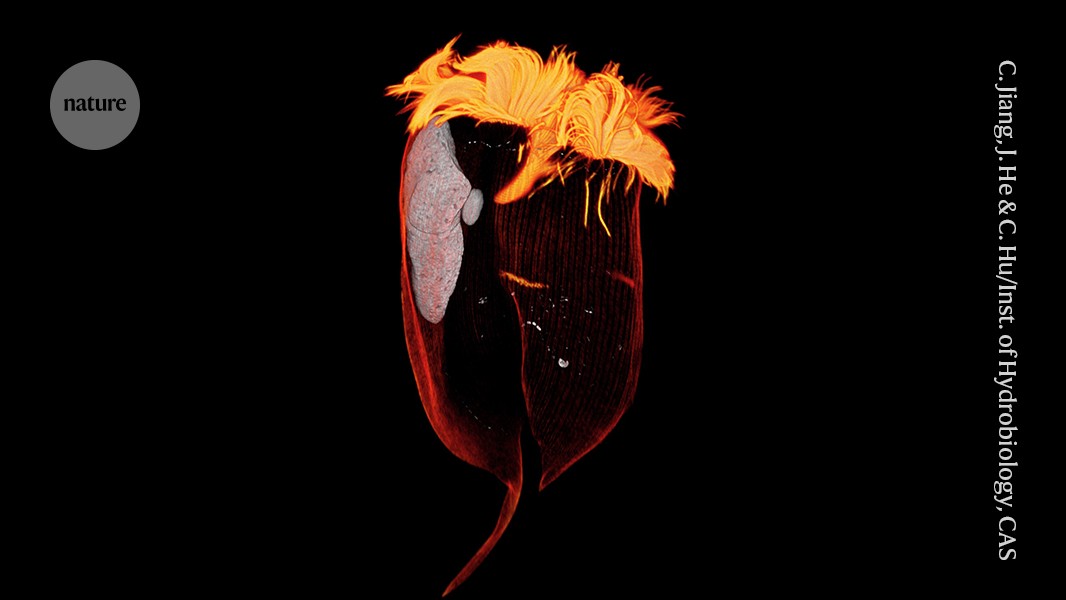
Researchers have discovered hydrogenobodies, a new type of organelle in rumen ciliates, which are single-celled organisms in the guts of ruminants. These structures help generate methane by removing oxygen and releasing hydrogen for archaea to use as fuel. Livestock burping contributes significantly to global methane emissions. The discovery may lead to improved methods for modulating the rumen microbiome, enhancing digestion efficiency and reducing methane output. Ciliates represent a significant portion of microbial mass in the rumen but have been difficult to study due to technical challenges.
"This opens new opportunities to modulate the rumen microbiome more precisely to make animals' digestion more efficient and lower the methane they produce."
"Ciliates make up 25% of microbial mass in the rumen - a specialized stomach compartment in ruminants that acts as a fermentation vat to break down plant matter."
"Some of these organisms have tens of thousands of chromosomes, which complicates the study of their genomes and the understanding of their role in methane production."
"Previous studies had sequenced only 53 rumen ciliate genomes, highlighting the under-researched nature of these important microorganisms."
Read at Nature
Unable to calculate read time
Collection
[
|
...
]