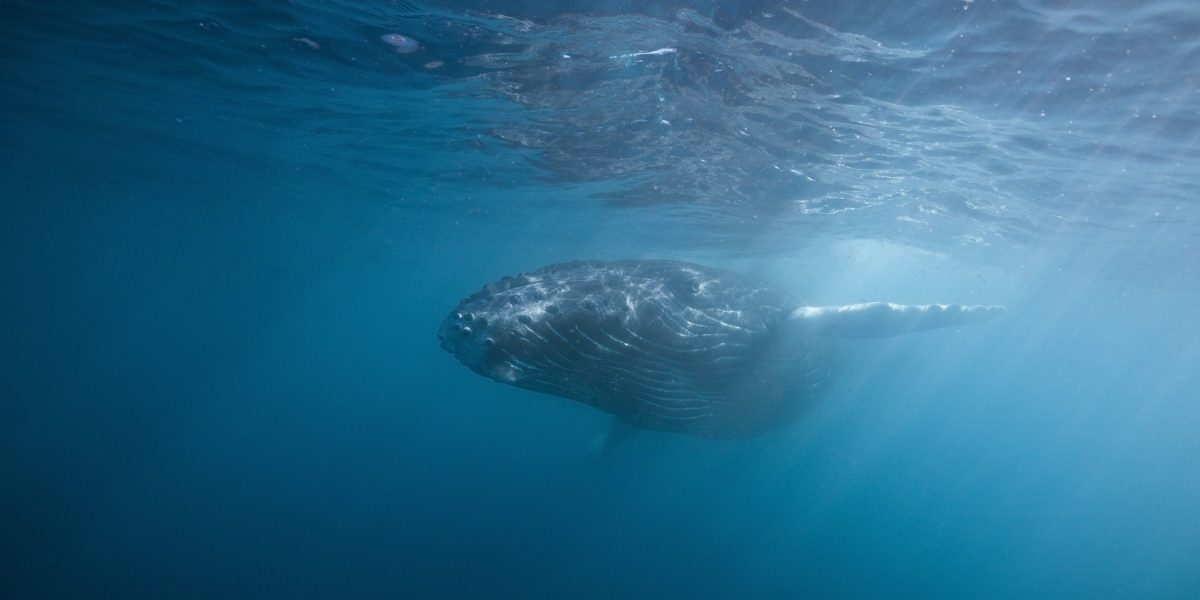
Woods Hole Oceanographic Institution researchers discovered a 1949 humpback whale recording off Bermuda, the oldest known whale song documentation. The recording predates Roger Payne's whale song discovery by approximately 20 years. Scientists captured the sounds while testing sonar systems and conducting acoustic experiments with the U.S. Office of Naval Research. The crude audio equipment recording was preserved on plastic disc rather than tape, allowing it to survive. Over 90 whale species use sounds for survival, communication, finding food, and navigation. Ocean noise has increased tenfold since the 1960s, making this historical recording valuable for understanding whale communication in quieter ocean conditions.
"The recording is important because it documents whale song during a time when the ocean was quieter, scientists said. Woods Hole scientists on a research vessel at the time were testing sonar systems and performing acoustic experiments along with the U.S. Office of Naval Research when they captured the sound."
"Sound is critical to whales' survival and important to how they socialize and communicate. Their sounds come in the form of clicks, whistles and calls. Scientists who study whales say the sounds also allow the whales to find food, navigate, locate each other and understand their surroundings."
"Scientists say some parts of the ocean are 10 times louder than they were in the 1960s. Research from the Scripps Institution of Oceanography in the mid-2000s found that underwater ocean noise off southern California had increased tenfold compared to the 1960s."
#whale-communication #marine-acoustics #ocean-noise-pollution #humpback-whales #historical-recordings
Read at Fortune
Unable to calculate read time
Collection
[
|
...
]