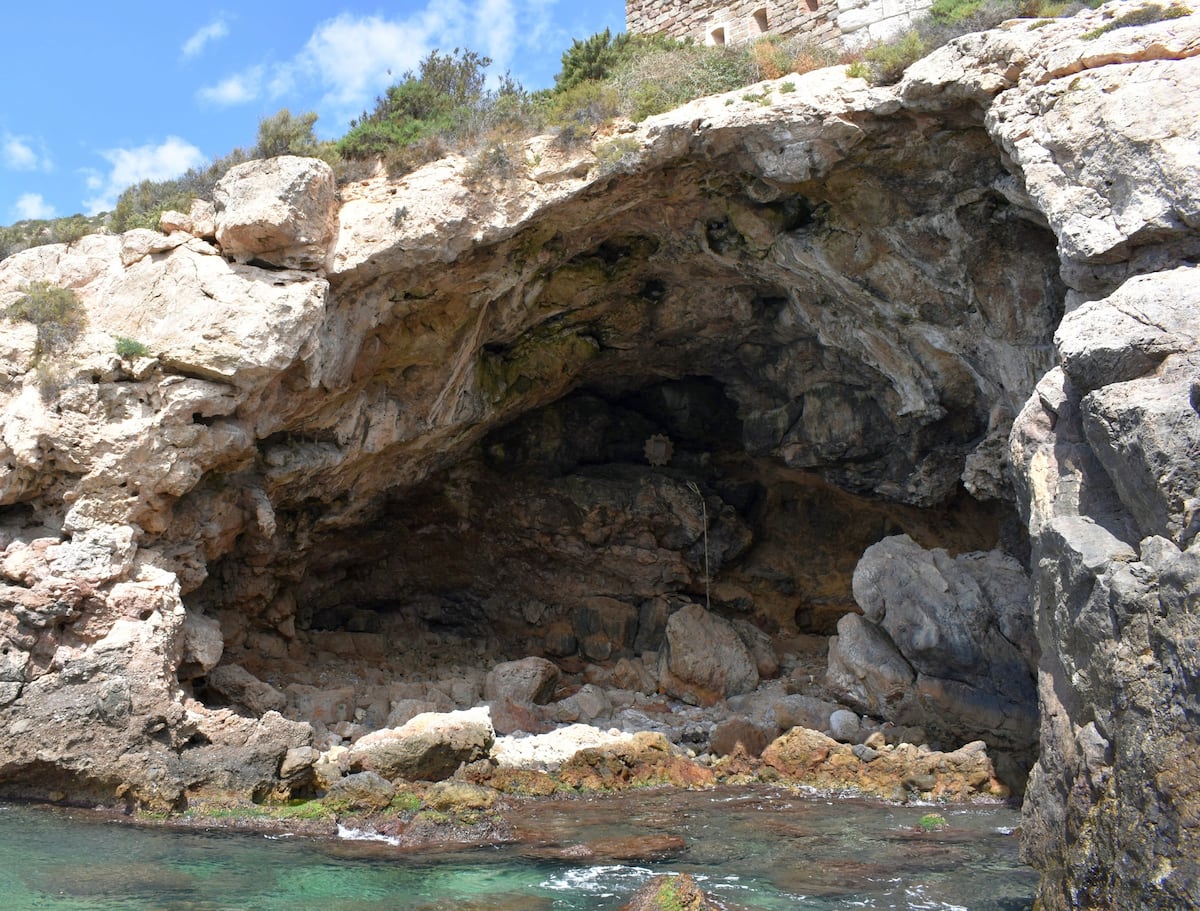
Neanderthals were once thought not to use marine environments, but evidence shows they fed from the sea for many millennia before Homo sapiens arrived in Europe. A study in a Mediterranean cave near Cartagena found that around 115,000 years ago Neanderthals collected mollusks with seasonal strategies. The Los Aviones cave was occupied year-round, and mollusk exploitation occurred throughout the year, with most shells collected from late autumn to early spring. Oxygen analysis in shell calcium carbonate indicated that about 80% of Mediterranean snails were consumed between November and April, with only a small fraction in summer. Similar seasonal patterns appeared for a second mollusk species.
"There was no trace of them in marine environments. It was suggested then that these were more complex ecosystems, requiring skills that only Homo sapiens, modern humans, possessed. Several studies have dismantled this ethnocentrism: Homo neanderthalensis had been feeding from the sea for many millennia before Homo sapiens arrived in Europe."
"Now, a new study published in PNAS shows that, around 115,000 years ago, in a Mediterranean cave, they used strategies that Homo sapiens would employ much later, such as gathering mollusks in the colder months, when the risk of contamination was minimal and their flavor at its peak."
"The Los Aviones cave was occupied year-round; we don't know if permanently or not, but most likely not, says Asier Garcia-Escarzaga, a researcher at the University of Burgos and lead author of the study. There is exploitation throughout the year, but most of the mollusks, most of the shells, are collected during the colder months, that is, from late autumn, around November, until early spring, around April."
"Thanks to the analysis of oxygen present in the calcium carbonate that forms the shells, researchers were able to determine that, although harvested year-round, around 80% of the Mediterranean snails (Phorcus turbinatus) were consumed between November and April, and only 5% during the summer months. The percentage is similar for the ferruginous limpet (Patella ferruginea), the other mollusk included in this study."
#neanderthals #marine-foraging #seasonal-resource-use #mediterranean-archaeology #mollusk-consumption
Read at english.elpais.com
Unable to calculate read time
Collection
[
|
...
]