"I can't believe it's taken this long to find three,"
"the chance of catching another interstellar visitor will increase."
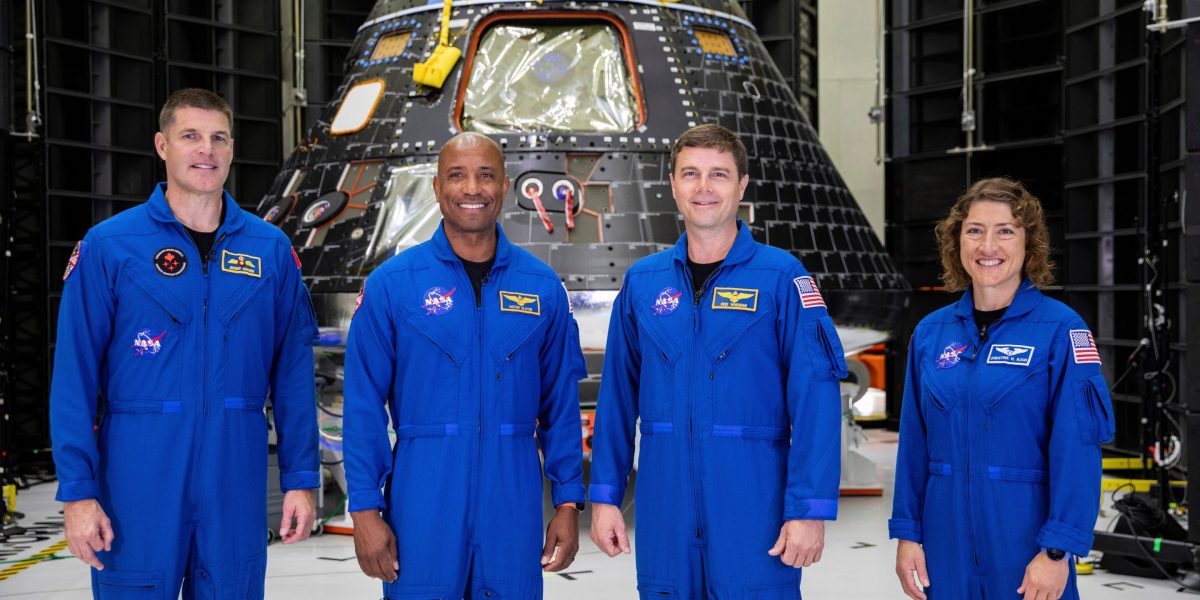
Astronomical highlights in 2026 include human and robotic missions to the moon, with astronauts expected to glimpse large swaths of the lunar far side and robotic landers including Blue Moon arriving. A supermoon occurs on Jan. 3 and an astronomical blue moon in May. The sun produces a ring-of-fire eclipse in February over the southern hemisphere and a total solar eclipse in August over northern latitudes. Auroras may appear in unexpected places, though perhaps less often than recent years. Interstellar comet 3I/Atlas is fading after a December flyby and will return to interstellar space within a decade. Improved detection technology is expected to increase discoveries of interstellar visitors.
Read at Fortune
Unable to calculate read time
Collection
[
|
...
]