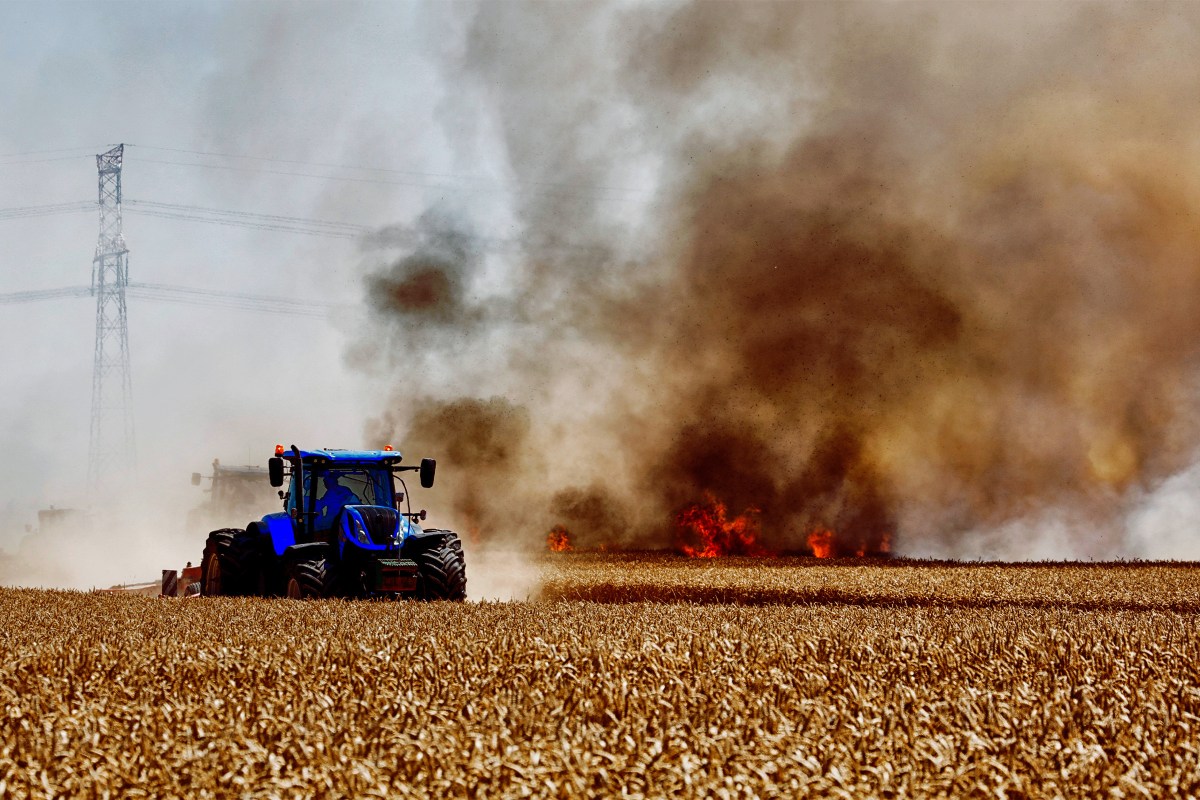
"According to numerous weather models, this year's El Niño - a prolonged climate event featuring unusually warm temperatures, which pops up every couple of years - could easily be the most severe we've ever experienced in the modern age. This year's warm spell could supercharge ocean temperatures by as much as 5.4 degrees Fahrenheit, the Wall Street Journal reports, resulting in widespread droughts for some, floods for others, and perhaps most chillingly, chaos for global food supplies."
"To find a historical equivalent, scientists have had to reach all the way back to 1877, when a merciless El Niño unleashed death on a scale few events can rival. Per the WSJ, the catastrophe fueled ongoing droughts, culminating in a global famine that killed at least 50 million people, though some estimates peg the loss of life at an even more horrifying 60 million - around 3 percent on the total population on Earth at the time."
"As climate researchers wrote in a 2018 study of the famine: "it was arguably the worst environmental disaster to ever befall humanity and one of the worst calamities of any sort in at least the last 150 years, with a loss of life comparable to the World Wars and the influenza epidemic of 1918/19.""
"As humanity has developed, some have suggested that events like the 1877 El Niño represent a stress test of our progress, finding weak points in our political and economic systems. With widespread poverty and colonial immiseration fueling massive famines throughout the 1800s, it's safe to say we failed our 19th century test. While we've certainly come a long way since then, cynics have plenty of talking points."
This year’s El Niño is expected to be among the most severe in modern times. Weather models indicate unusually warm ocean temperatures could rise by up to 5.4 degrees Fahrenheit. The resulting climate pattern can produce droughts in some regions and floods in others. These impacts threaten global food supplies by disrupting agricultural conditions and increasing instability in food availability. A historical comparison points to 1877, when an extreme El Niño contributed to prolonged droughts and a global famine. Estimates place deaths at least at 50 million, with some estimates around 60 million. The famine is described as one of the worst environmental disasters in at least the last 150 years, with mortality comparable to major 20th-century catastrophes.
Read at Futurism
Unable to calculate read time
Collection
[
|
...
]