"Previously bottlenecked species can bounce back, recovering a surprising amount of diversity. The assumption that a bottleneck leads to eventual extinction is not set in stone, says Rachel O'Neill, a genome biologist at the University of Connecticut, who was not involved in the new research."
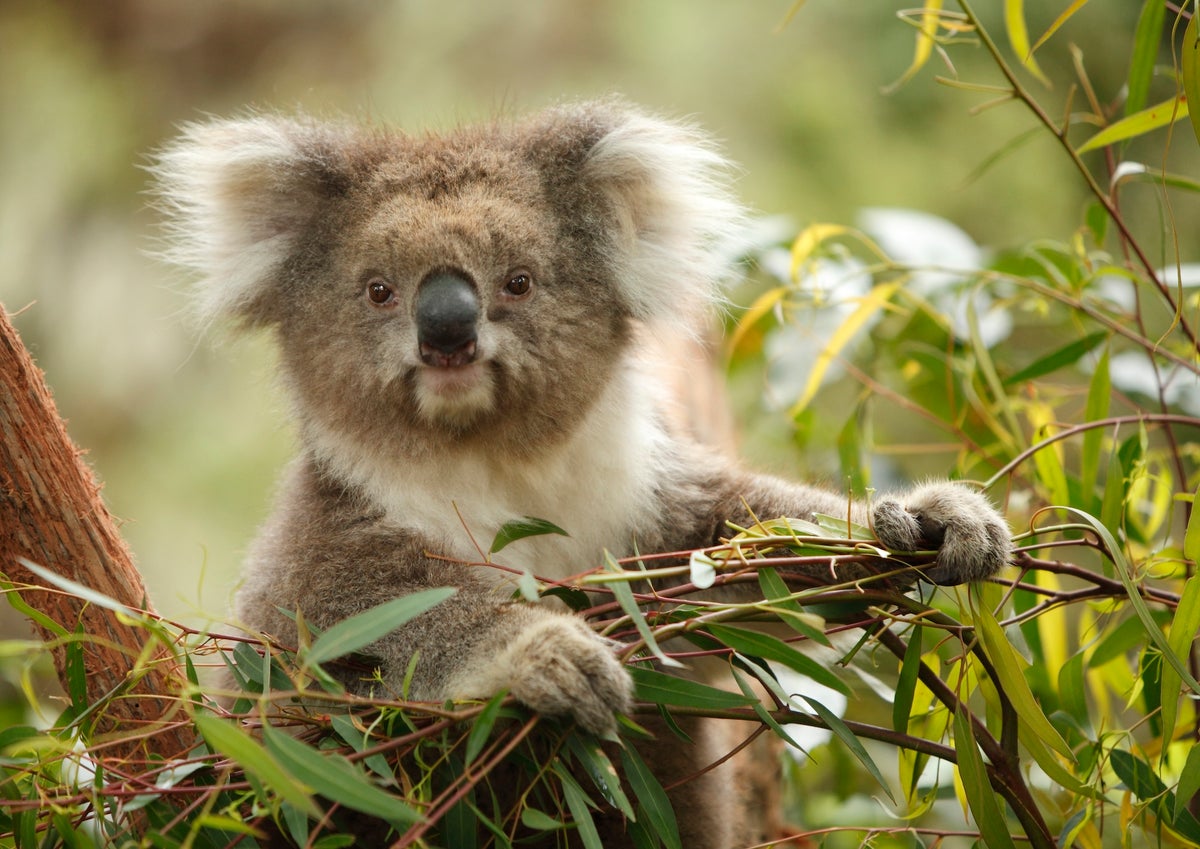
"The researchers found a pattern they didn't expect among koala populations in the Australian state of Victoria, where the animals have high rates of inbreeding and genetic deformity. Their effective population sizes cratered in the late 1800s because of the fur trade, creating an expected bottleneck."
"The scientists found that the effective population sizes of koalas in Victoria have been increasing over the past 40 generations, whereas those of Queensland and New South Wales koala populations—which conservationists have typically considered genetically healthier—have shown sharp declines."
A study of 418 koalas across Australian populations reveals unexpected genetic recovery patterns. Victorian koalas experienced severe population bottlenecks during the 1800s fur trade, resulting in high inbreeding and genetic deformities. However, their effective population sizes—measuring genetic diversity distribution through reproduction—have increased over the past 40 generations. Conversely, Queensland and New South Wales koala populations, traditionally considered genetically healthier, show sharp declines in effective population size. These findings challenge the assumption that bottlenecks inevitably lead to extinction, suggesting previously bottlenecked species can recover genetic diversity.
#genetic-bottlenecks #koala-populations #genetic-diversity-recovery #population-genetics #conservation-biology
Read at www.scientificamerican.com
Unable to calculate read time
Collection
[
|
...
]