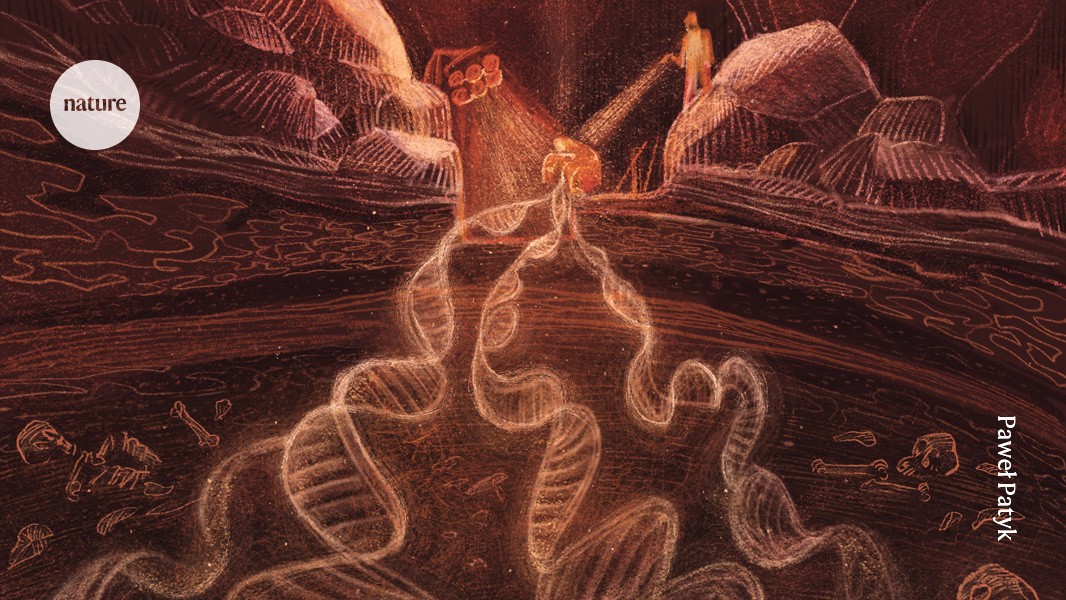
Eske Willerslev, initially dismissed as a doctoral student, discovered that DNA from ancient organisms could be extracted from environmental samples like soil and feces. His groundbreaking work in 2003 demonstrated the recovery of DNA from a 400,000-year-old permafrost core. This method has since evolved, allowing researchers to identify extinct species from sediments, including human DNA. The field has gained momentum, with archaeologists revisiting old soil samples to uncover historical insights, highlighting the vast potential of sedimentary DNA analysis.
"Willerslev's innovative approach to extracting DNA from environmental samples, such as soil and feces, has transformed the study of ancient organisms, allowing researchers to uncover genetic material from long-extinct species."
"In 2003, Willerslev's research revealed that plant and animal DNA could be recovered from a Siberian permafrost core, dating back 400,000 years, marking a significant advancement in paleogenetics."
"The interest in soil DNA surged nearly a decade ago when scientists successfully isolated human DNA from ancient sediments, prompting a shift in focus from fossils to environmental samples."
"The complex history archived in sediments is vast and ripe for exploration, offering researchers new avenues to study the past and understand ancient ecosystems."
Read at Nature
Unable to calculate read time
Collection
[
|
...
]