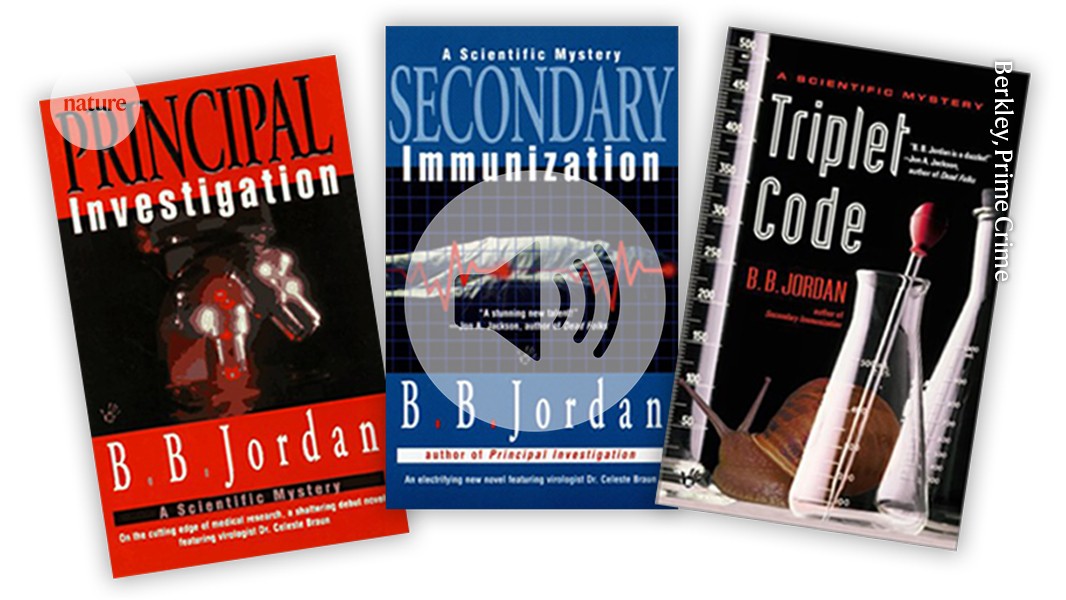
Creativity in science is presented as a way of thinking about familiar problems differently rather than abandoning ongoing work. Taking risks in how ideas are formed is encouraged, alongside discussing those ideas with other people. Imagination is emphasized as valuable even during scientific research. A cell biologist connects scientific practice with fiction by using lab knowledge to create an authentic setting for a crime novel about a global pandemic. Reading and family discussions of literature are described as early influences, and mystery novels are valued for revealing details of their settings and offering an accessible plot structure for communicating how science is done.
"Being creative means just thinking about things in a different way. It doesn't mean necessarily dropping what you're doing and trying something entirely new."
"I say don't be risk averse. Because you need to be able to take some risks in the in the way you think about things, and then, of course, discuss them with other people."
"I really want to emphasize how important letting your imagination run in even in your scientific work is."
"I teach cell biology, and I run a research laboratory that studies how proteins move around inside cells and how that affects cell interaction and other processes in our bodies. Well, reading has always been a huge activity in my family. Ever since I was growing up."
Read at Nature
Unable to calculate read time
Collection
[
|
...
]