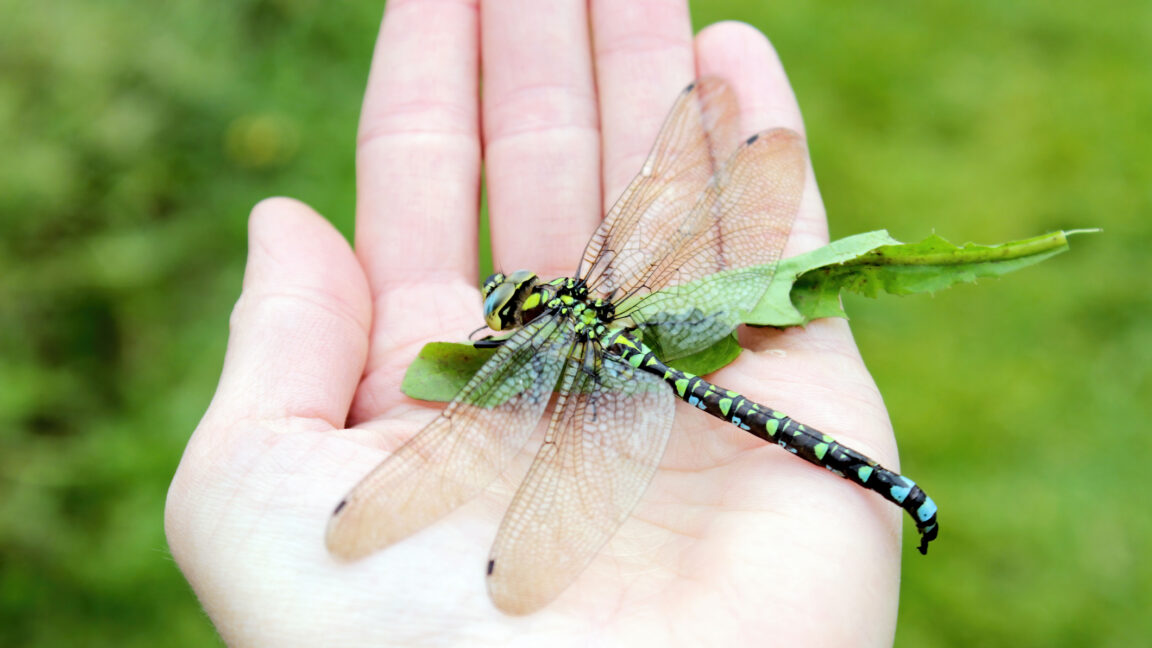
"The oxygen constraint hypothesis argued that the larger the insect grows, the further the oxygen must diffuse, which becomes increasingly inefficient. This inefficiency raises questions about the true limitations on insect size in relation to atmospheric oxygen levels."
"Insects breathe through internalized tubing called the tracheal system. Air enters through specialized portholes on their exoskeleton called spiracles, traveling down larger tubes that branch into microscopically thin tracheoles embedded deep within their tissues."
Giant insects like Meganeuropsis permiana thrived 300 million years ago, challenging the oxygen constraint hypothesis. This hypothesis suggested that lower atmospheric oxygen levels prevented large insect sizes due to inefficient breathing systems. Insects breathe through a tracheal system, using spiracles and tracheae to deliver oxygen. While they can actively pump air, oxygen delivery relies on slow passive diffusion at the tracheole level. This inefficiency raises questions about the true limitations on insect size in relation to atmospheric oxygen levels.
Read at Ars Technica
Unable to calculate read time
Collection
[
|
...
]