"The strongest El Niño weather patterns in recent decades are forecasted later this year, which could bring floods, droughts and high temperatures. But it's still uncertain whether winds and other weather factors will either ratchet up ocean heat or temper it - and therefore weaken the possibility of a strong El Niño. Forecasters should know more in the coming weeks, once they get past the notorious 'spring predictability barrier'."
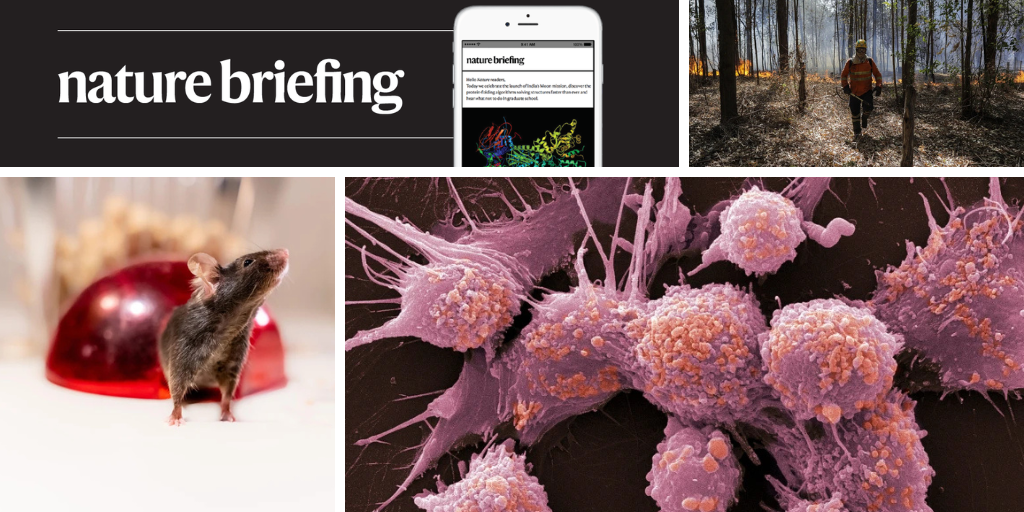
"A genetic analysis has found inconsistencies between the reported names and the actual genetic make up of 47% of lab-mouse strains distributed globally. The mismatches have the potential to compromise the integrity of mouse studies and undermine their conclusions, say scientists. "This study is another wake-up call for biomedical research. If we don't fully understand the genetics of the mice we're using, we risk misinterpreting how diseases actually work," says immunologist Daniel Rawle."
"A review by Cochrane, an influential group renowned for its gold-standard medical reviews, suggests that testing for prostate-specific antigen (PSA) "likely reduces the risk of dying" from prostate cancer. The number of lives saved is small, the group found, but the latest finding still marks a reversal of Cochrane reviews published in 2006 and 2013. The most recent findings were driven in part by data from two new trials, encompassing 250,000 people, and extra years of data from four older trials."
Forecasts for a later-year El Niño remain uncertain, because winds and other factors may either increase ocean heat or reduce it, affecting the likelihood of a strong event. Forecasters expect improved guidance after the spring predictability barrier. Genetic analysis of 47% of globally distributed lab-mouse strains finds inconsistencies between reported strain names and actual genetic makeup, raising concerns about the reliability of mouse-based disease studies. A Cochrane review indicates that testing for prostate-specific antigen likely reduces the risk of dying from prostate cancer, with a small number of lives saved. The updated conclusion is supported by data from two new trials and additional years of follow-up from older trials.
Read at Nature
Unable to calculate read time
Collection
[
|
...
]