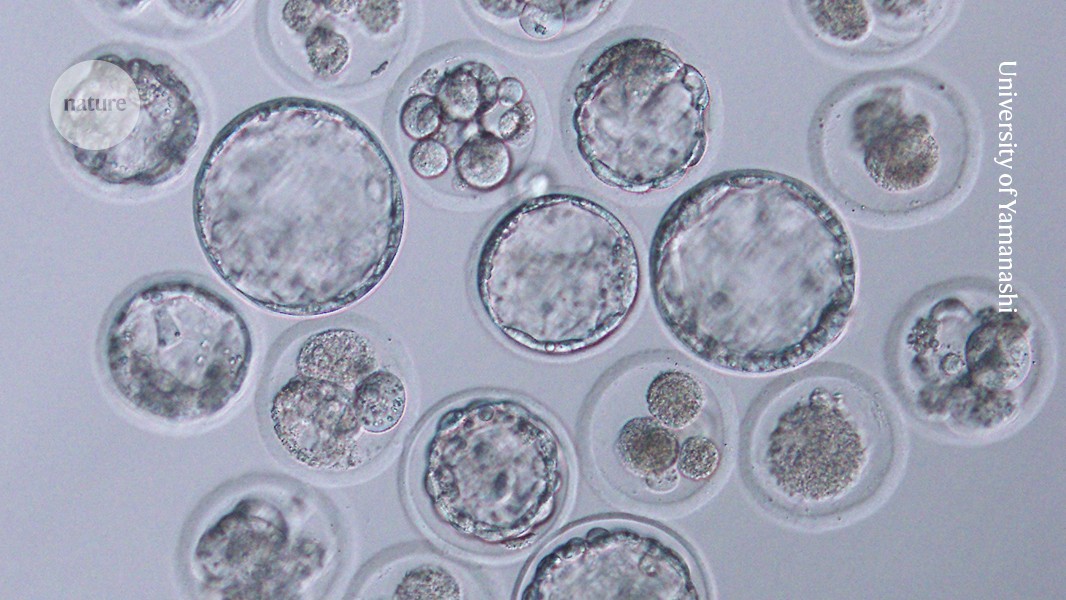
"Asexual reproduction is ultimately unsustainable for mice, and potentially other mammals, too. The clones looked normal and lived as long as normal mice. But large mutations - including the loss of an entire chromosome - accumulated in the cloned lineage at an unusually high rate."
"Once the mutation is in the lineage, it's there forever. There's no way back. This accumulation of mutations can be particularly perilous for populations that reproduce asexually, because there is no opportunity for their genomes to mix with those of another population."
"In any kind of animal breeding, once you have the optimal genome, the best way to keep it is by cloning - except for this mutation problem."
"The study suggests that the high mutation rate in cloned mice could be the reason why subsequent cloning attempts failed, indicating a significant limitation in the cloning process."
After extensive cloning attempts, researchers found that asexual reproduction in mice leads to unsustainable mutation accumulation, including chromosome loss. Clones appeared normal and had typical lifespans, but the high mutation rate likely caused subsequent cloning failures. This issue may extend to other mammals, posing significant challenges for animal breeding and agriculture. Once mutations occur in a lineage, they persist indefinitely, preventing genetic diversity and recovery. The study underscores the limitations of cloning as a method for maintaining optimal genomes in asexual populations.
Read at Nature
Unable to calculate read time
Collection
[
|
...
]