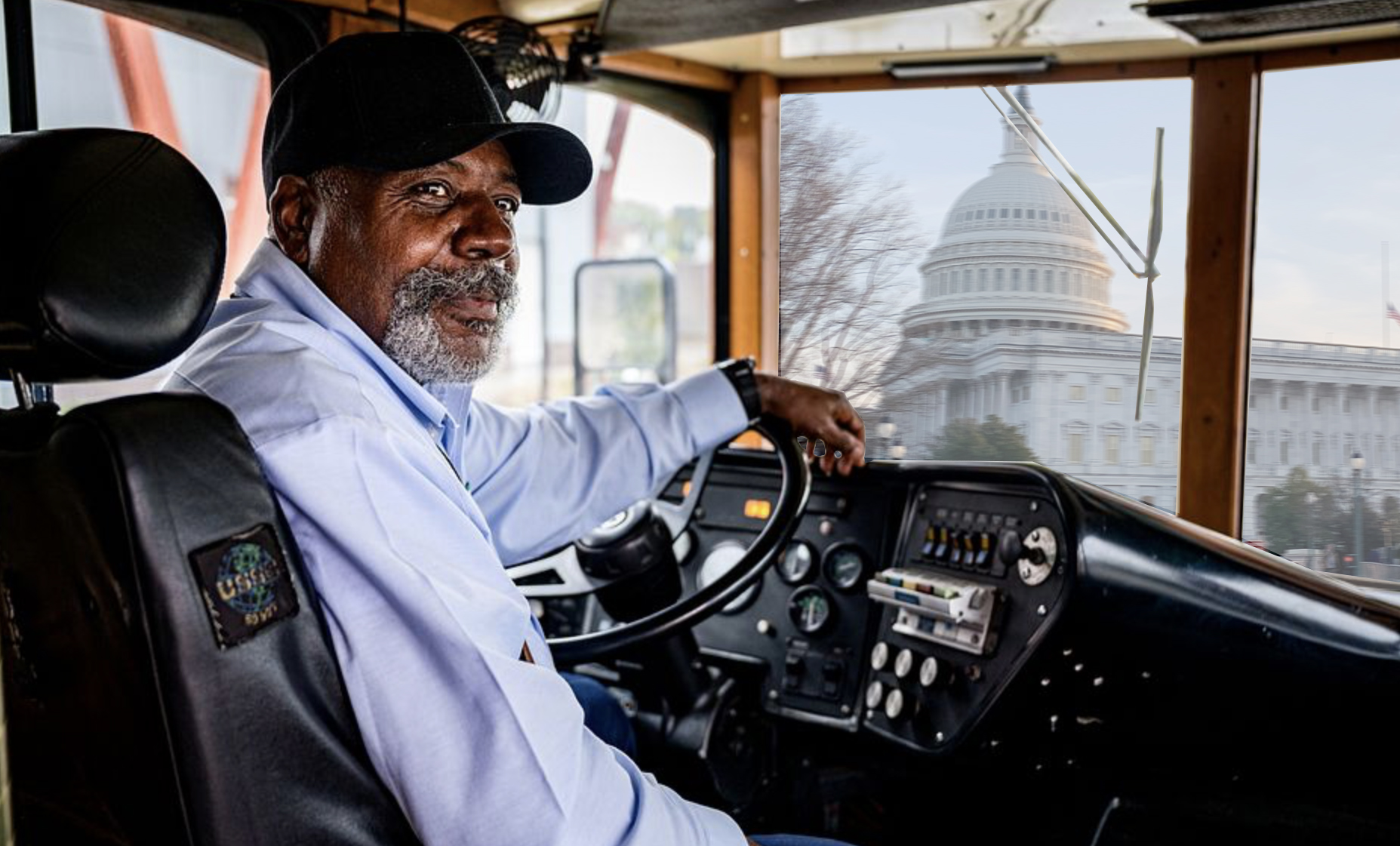
"Researchers at the Urban Institute recently found that the White House's recommendation that Congress eliminate the Mass Transit Account of the Highway Trust Fund would force agencies in small metros and rural areas to cut half or more of their staff. That move which would force them to halve transit service, too, impacting countless U.S. workers' ability to reach their jobs, too."
"Unlike bigger cities, which have been mostly restricted to using their federal dollars for capital projects since the 1990s, small agencies can rely on grants sent from Washington to help pay for the basics, like salaries for bus drivers and people to clean train stations."
"Even larger cities have come to depend more heavily on federal money for operations since the pandemic, when lawmakers relaxed the operations funding rule to help keep agencies afloat when riders fled buses and trains. The report authors say that makes it "difficult" for them "to estimate how much cuts in federal funding could affect workforce outcomes" even into the future, especially if local sources don't fill the gap - which they often don't."
"As a result, by 2024 even urban areas over 200,000 residents were getting 17 percent of their operating costs paid for by U.S. taxpayers. Tribal areas, meanwhile, were getting an astounding 92 percent - which means the elimination of federal dollars could essentially wipe out transit for most indigenous communities in the country."
The proposal to eliminate federal transit funding would devastate riders and also cause severe harm to transit workers and their families. Research found that eliminating the Mass Transit Account of the Highway Trust Fund would require agencies in small metros and rural areas to cut half or more of their staff, leading to halved transit service. Small agencies depend on federal grants for operating basics such as salaries and station cleaning, while larger cities have relied more on federal operations funding since the pandemic. The report notes uncertainty about future workforce impacts because local funding often does not replace lost federal support. By 2024, urban areas over 200,000 residents covered 17% of operating costs with U.S. taxpayer funds, while tribal areas covered 92%, risking near-total transit loss for many indigenous communities.
#federal-transit-funding #workforce-impacts #rural-and-small-metro-transit #urban-transit-operations #tribal-transit-funding
Read at Streetsblog USA
Unable to calculate read time
Collection
[
|
...
]