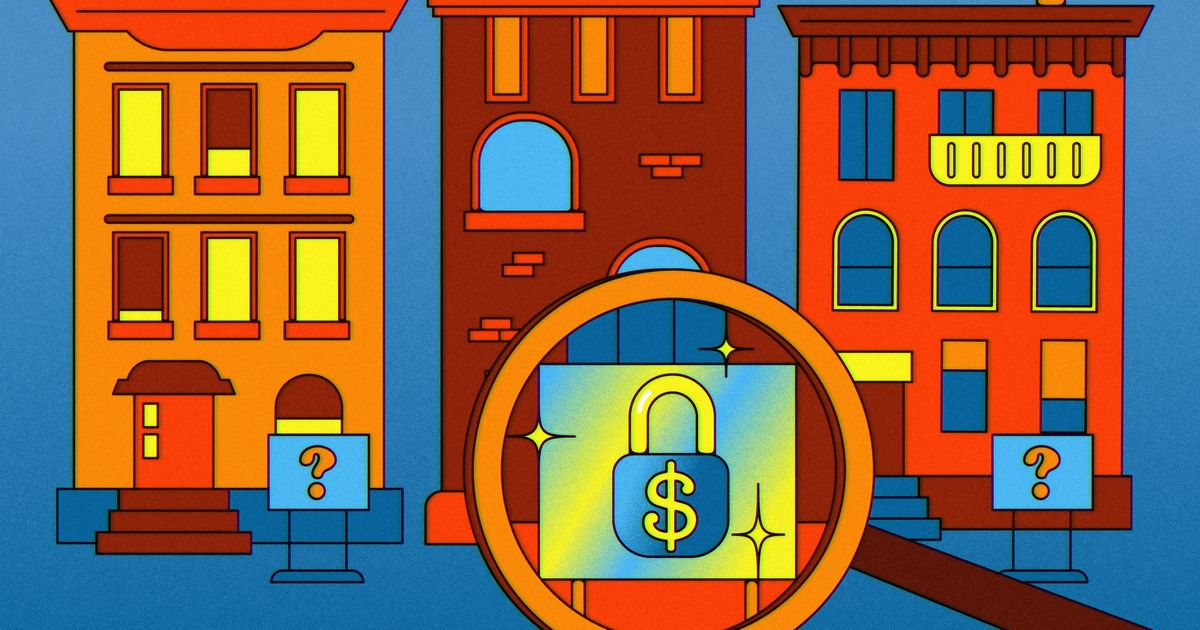
Rent-stabilized apartments are often discovered by chance after viewing many listings. Brokers and listings frequently omit stabilization status, leaving renters uncertain until lease signing or conversations with building management. Brokers sometimes present maximum legal-stabilized rents as negotiated reductions while still charging full fees. The city does not publish a comprehensive list of rent-stabilized units, and the state, which governs the stabilization system, also does not provide such a database. These information gaps make advance verification difficult and can result in surprises and potential overcharges for renters seeking long-term, affordable housing.
"A day later, the broker told me to meet him at the building management's office with a cashier's check for the first month's rent and his broker's fee. Then he said he had some good news - he had "negotiated" the rent down from the listing price by $50, but he would still take his fee at the higher rate (naturally)."
"It wasn't until I went to sign the lease that I saw my apartment was rent-stabilized. The broker hadn't negotiated anything; the rent I was being offered was the maximum legal rent. Only to say - yes, it ismaddeningly hard to know this kind of thing in advance. The city doesn't publish a list of rent-stabilized units, and neither does the state, which is the actual entity that governs the stabilization system. (It's Kathy Hochul, not"
Read at Curbed
Unable to calculate read time
Collection
[
|
...
]