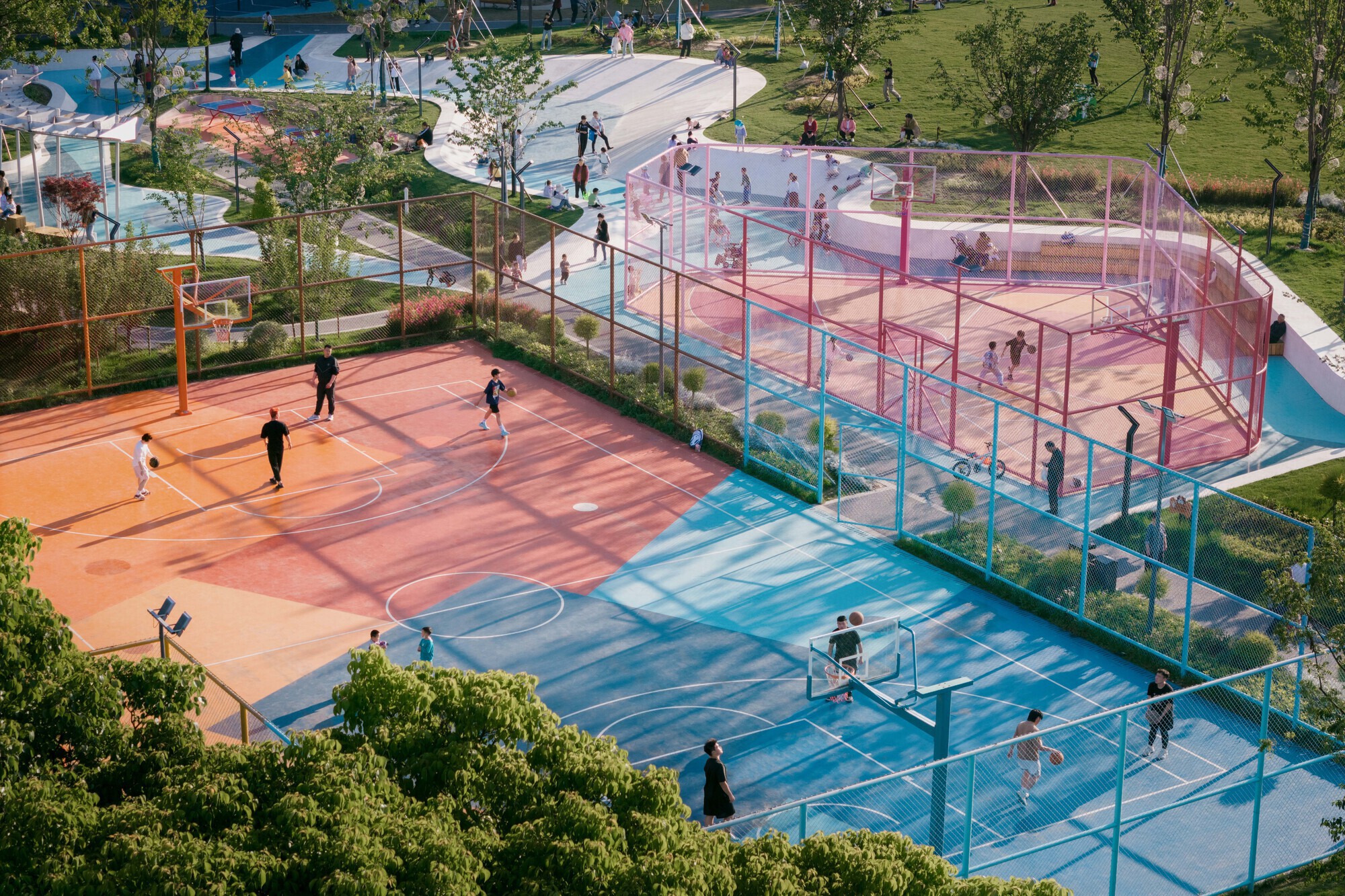
"Unlike most popular sports, the origin of basketball has a precise year and creator: it was invented in 1891 in the United States by Canadian physical education instructor James Naismith as an indoor sport for athletes at Springfield College during the winter, after the end of the football season. The sport quickly expanded beyond U.S. borders, being included in the Olympic Games in 1936 and achieving international popularity after the Second World War."
"Part of this widespread popularity is due to the sport's adaptability and the fact that very little is needed to play it: just a ball, a basket, and a flat surface. Basketball adapts to almost any available geometry - from improvised courts painted on asphalt to fenced courts found in public squares or community centers - allowing the game to thrive across socioeconomic and geographic boundaries."
Basketball was invented in 1891 in the United States by Canadian physical education instructor James Naismith as an indoor winter sport for Springfield College athletes after the football season. The sport expanded internationally, entered the Olympic Games in 1936, and gained widespread popularity after the Second World War. Minimal equipment—just a ball, a basket, and a flat surface—enabled rapid diffusion across socioeconomic and geographic boundaries. Courts appeared in playgrounds, plazas, schoolyards, driveways, and backyards, serving as informal sites for play and community life. Urban courts transformed into civic surfaces, with vibrant colors activating spaces and signaling shared occupation and collective experience.
Read at ArchDaily
Unable to calculate read time
Collection
[
|
...
]