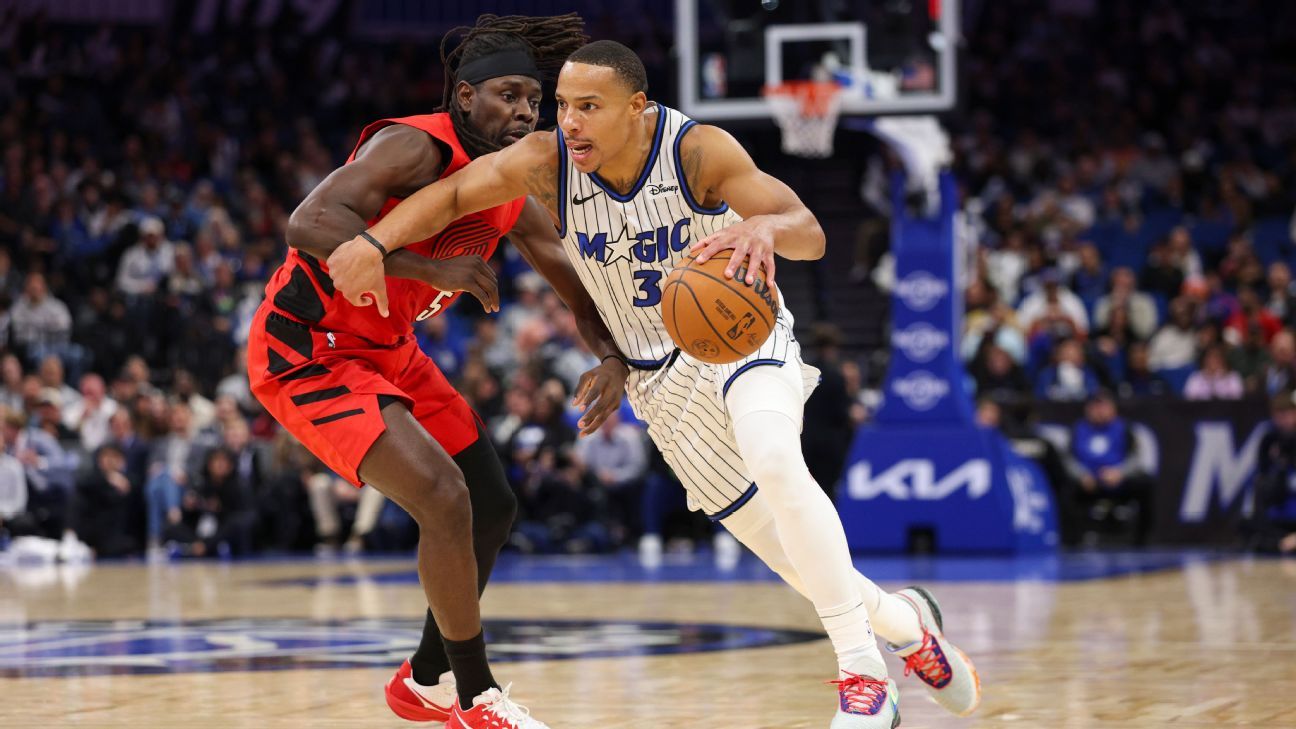
"Presumably, Bane didn't see a presentation by former ESPN analyst Ben Alamar and ESPN's Dean Oliver at the MIT Sloan Sports Analytics Conference in March. Had Bane known what their research found, it would have validated his confidence that things would turn around. Using NBA data derived from camera tracking covering all shots off passes from 2016 through 2024, Alamar and Oliver discovered that experience together had a far greater impact than believed by conventional wisdom."
"That helps explain why Bane and several of last summer's most important players to change teams, including Cam Johnson of the Denver Nuggets and Myles Turner of the Milwaukee Bucks, got off to slow shooting starts before rediscovering their usual form. And it offers a useful lesson not to overreact when it happens again. Familiarity matters for shooting Alamar and Oliver studied the results for passing and shooting pairs on catch-and-shoot attempts. They found that both the expected value of shots -- based on their location and defensive pressure -- and the accuracy of those shots relative to expectation increased rapidly with each additional rep between the two players."
Alamar and Oliver used camera-tracking data on all catch-and-shoot attempts off passes from 2016–2024 to measure how familiarity between passer and shooter affects shot quality and accuracy. They showed that both the expected value of shots (accounting for location and defensive pressure) and shooting accuracy relative to expectation increase rapidly with each additional rep between two teammates. The learning curve unfolds throughout the season regardless of whether teammates spent a prior full season together. The pattern explains why players who changed teams often start slowly from three and then regain form, advising against overreacting to early slumps.
Read at ESPN.com
Unable to calculate read time
Collection
[
|
...
]