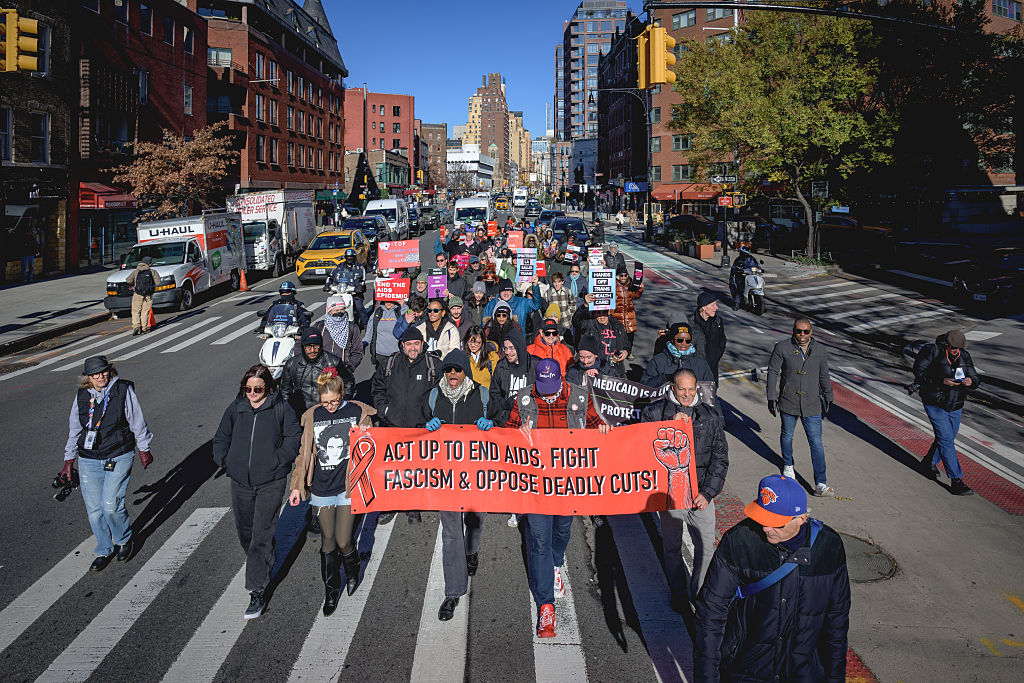
"Congress has kept key drug assistance funding at $900.3 million annually since 2014. New enrollments for state programs jumped 30% from 2022 to 2024, in part because states cut off pandemic-era Medicaid assistance. As of January, at least 18 states have pulled back their Ryan White AIDS Drug Assistance Programs, known as ADAPs, in some way."
"The Ryan White HIV/AIDS Program is the national safety-net program supporting more than 600,000 low-income people living with HIV across the nation. States receive federal grants and drug rebate money - the latter making up the bulk of state program budgets - to, among other things, help pay for medications and support community groups and specific populations, such as women and children."
"Many factors are putting budget constraints on state programs, including federal funding - which has remained flat for years and hasn't been adjusted for inflation - increased drug costs and rising insurance premiums. Thousands of low-income people living with HIV could be losing drug coverage as states impose limitations on HIV assistance programs amid constrained budgets."
The Ryan White HIV/AIDS Program, which supports over 600,000 low-income people living with HIV nationally, faces severe budget constraints threatening drug coverage. Federal funding has remained flat at $900.3 million annually since 2014 without inflation adjustments, while drug costs and insurance premiums continue rising. As of January, at least 18 states have cut back their AIDS Drug Assistance Programs (ADAPs). New program enrollments jumped 30% from 2022 to 2024, partly due to states ending pandemic-era Medicaid assistance. Approximately 1.2 million people live with HIV in the United States, with roughly one in four receiving state drug assistance program support.
#hivaids-drug-assistance-programs #federal-funding-constraints #medicaid-coverage #low-income-healthcare-access #state-budget-cuts
Read at Truthout
Unable to calculate read time
Collection
[
|
...
]