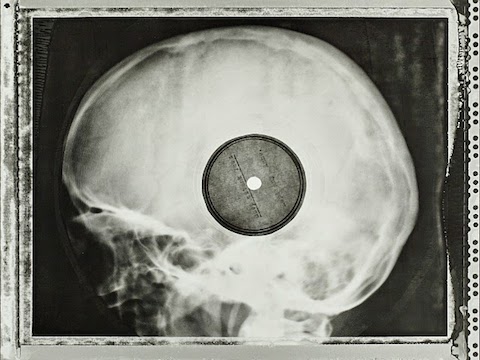
In the mid-20th century, Soviet youth, known as Stilyagi, embraced Western music by creating underground recordings on salvaged X-ray film. This practice, referred to as roentgenizdat or 'bone music,' allowed them to access banned jazz, rock, and boogie-woogie. The term 'maginitizdat' emerged, combining 'tape recorder' and 'publishing,' to describe the distribution of these recordings. The Stilyagi subculture, inspired by Hollywood and American music, played a significant role in the underground music scene, showcasing the ingenuity of Soviet citizens in circumventing restrictions on Western culture.
"Before the availability of the tape recorder and during the 1950s, when vinyl was scarce, ingenious Russians began recording banned bootleg jazz, boogie woogie and rock 'n' roll on exposed X-ray film salvaged from hospital waste bins and archives."
"These records were called roentgenizdat (X-ray press) or, says Sergei Khrushchev, 'bone music.' Author Anya von Bremzen describes them as 'forbidden Western music captured on the interiors of Soviet citizens.'"
"Stilyagi, a post-war subculture that copied its style from Hollywood movies and American jazz and rock and roll, made and distributed contraband music in the Soviet Union."
Read at Open Culture
Unable to calculate read time
Collection
[
|
...
]